
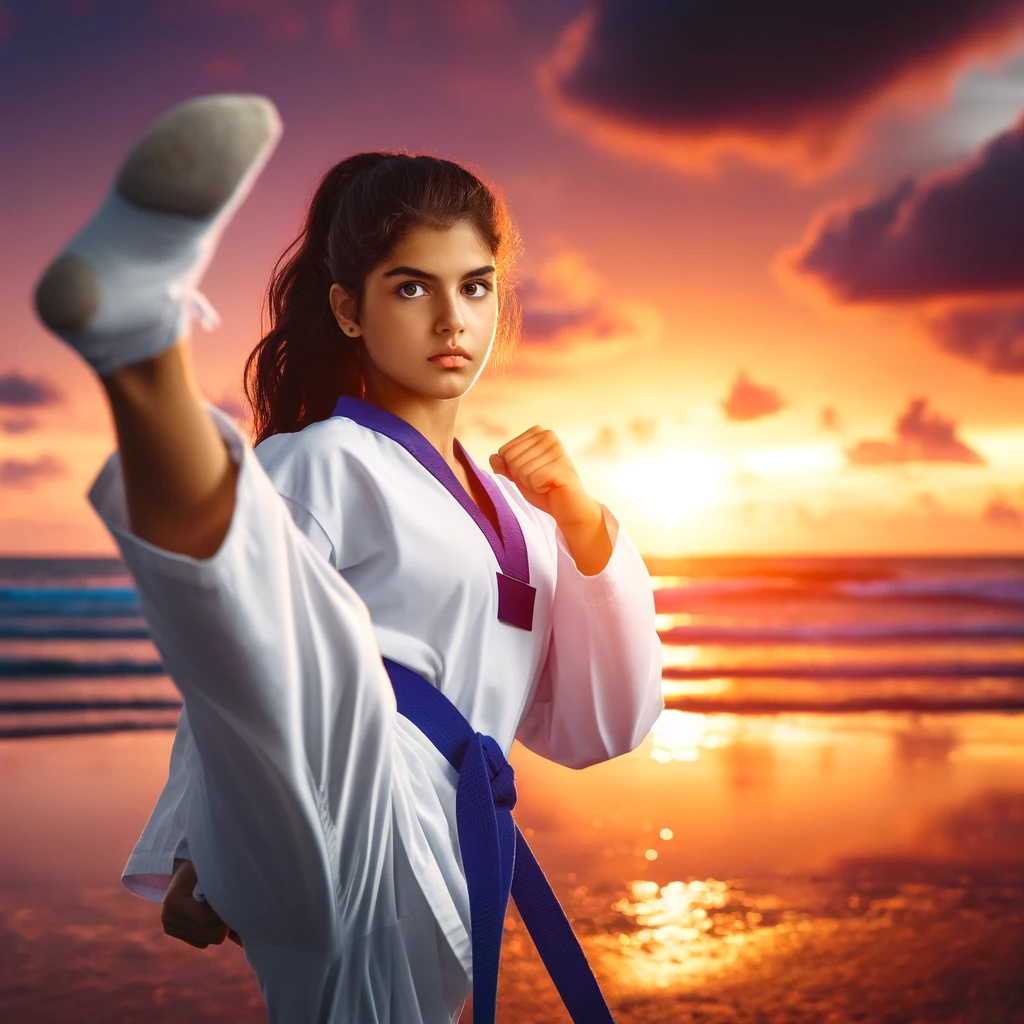
What Is Taekwondo: A Beginner’s Guide to Taekwondo (2024)
Thanks for checking out this unbiased article on What is Taekwondo. Originating from Korea, Taekwondo is a striking art that combines combat and self-defense techniques with sport and exercise.
Gone are the days when martial arts were solely for the purpose of physical combat; today, Taekwondo is celebrated as a developmental pursuit enhancing discipline, fitness, and mental acuity.
Despite its benefits, Taekwondo is often shrouded in mystery, leaving many potential practitioners pondering its approachability and practicality.
Does it really provide a good workout? Is it suitable for children or just adults? These common uncertainties deter many from stepping into the Dojang (training hall).
This article demystifies Taekwondo, laying out its history, techniques, and the myriad benefits it offers to people of all ages.
From building confidence to enhancing self-discipline, and improving physical health, Taekwondo is more than just martial arts—it’s a pathway to a well-rounded life.
This deep dive aims to guide beginners and inform the curious, shedding light on why millions worldwide practice this beautiful art.
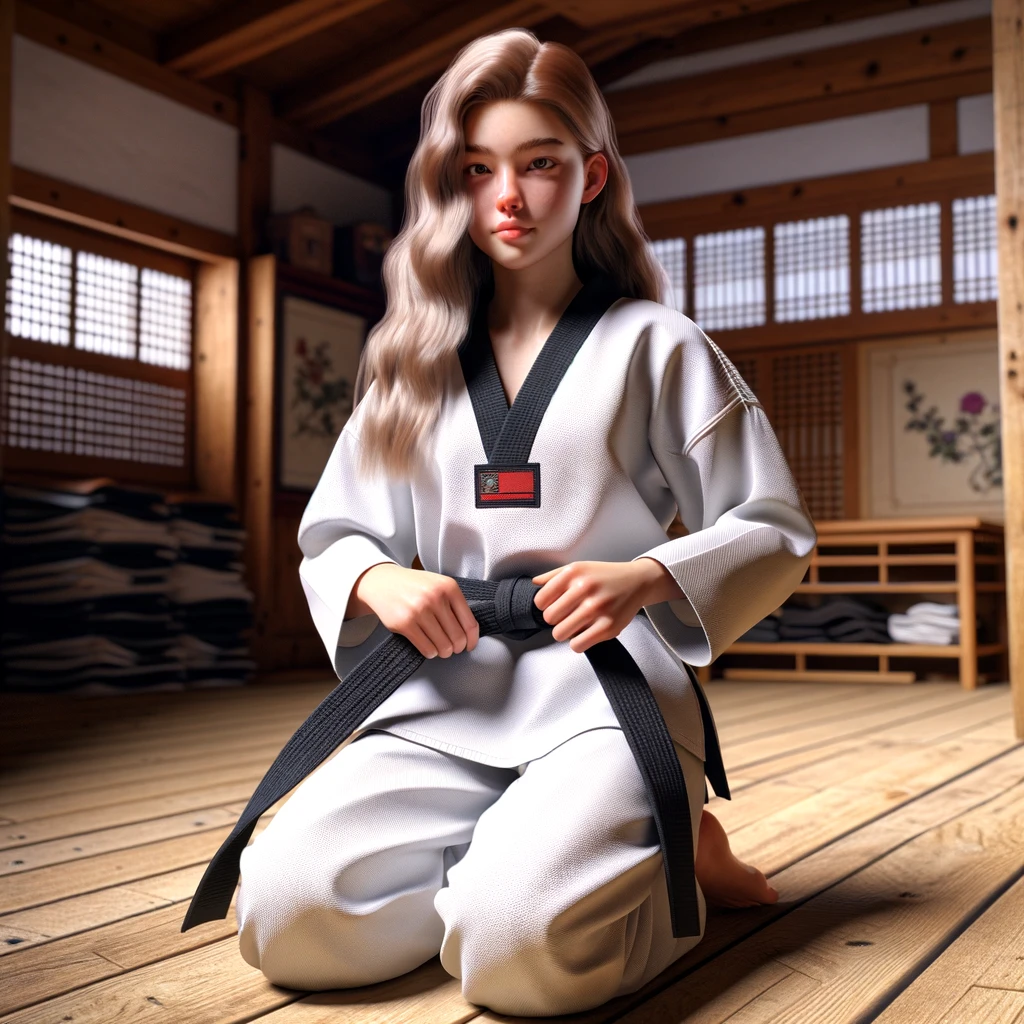
What Is Taekwondo?
The Fundamentals of Taekwondo
Basic Principles and Techniques
Taekwondo is founded on the principles of courtesy, integrity, perseverance, self-control, and indomitable spirit. These core values not only shape a practitioner’s physical approach but also mold their character and interactions both within and outside the Dojang.
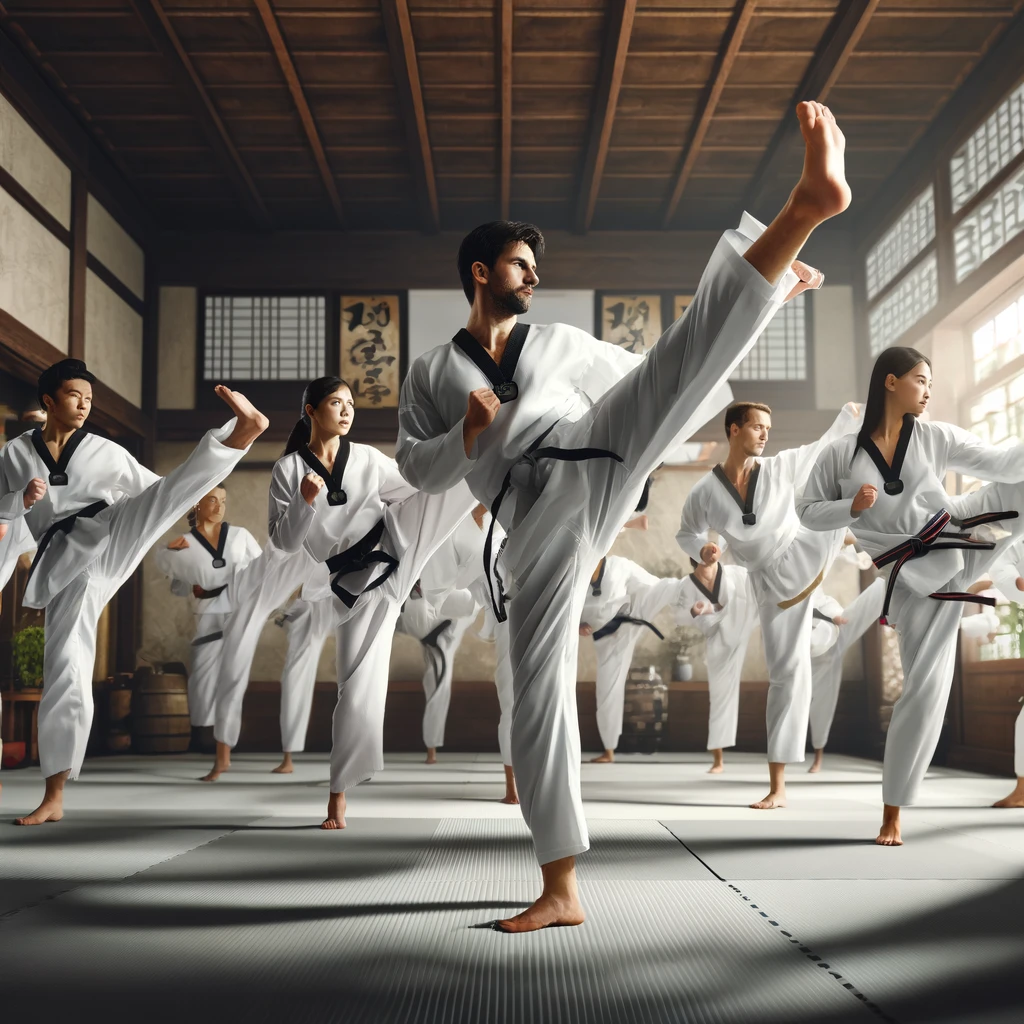
In terms of physical techniques, Taekwondo emphasizes head-height kicks, jumping and spinning kicks, and fast kicking techniques. To a newcomer, mastering these movements might seem daunting; however, with consistent practice, these become second nature.
A staple technique is the roundhouse kick, which is both a fundamental skill and a powerful tool in sparring.
Forms and Patterns: The Poomsae
Poomsae or forms are a set sequence of movements that demonstrate a practitioner’s ability to perform various techniques with precision. Each form consists of an established pattern of attacks and defenses.
Typically, these patterns begin with defensive moves followed by counterattacks against imaginary opponents. There are several forms in Taekwondo, each corresponding to different levels of expertise.
- Taegeuk: The Taegeuk forms are practiced by beginners and are essential for belt promotion.
- Palgwae: Practiced by advanced students, these forms introduce more complex movements that require a higher degree of precision and control.
The Significance of Belts and Rankings
In Taekwondo, belts represent the practitioner’s rank and level of skill. Starting from the white belt, novices progress through yellow, green, blue, red, and finally black belts. Each color signifies a step further in the practitioner’s journey of mastery:
- White Belt: Signifies innocence and the beginning of a journey.
- Yellow Belt: Represents the earth from which a plant sprouts and takes root as the Taekwondo foundation is being laid.
- Green Belt: Symbolizes the plant’s growth as the Taekwondo skills begin to develop.
- Blue Belt: Indicates the heaven towards which the plant matures into a towering tree as training in Taekwondo progresses.
- Red Belt: Signifies danger, cautioning the student to exercise control and warning the opponent to stay away.
- Black Belt: Opposite of white, signifies the maturity and proficiency in Taekwondo. It also indicates the wearer’s imperviousness to darkness and fear.
Advancing through these belts not only represents physical ability but also an increase in understanding Taekwondo’s philosophical teachings. Each step forward is a layer of depth added to the practitioner’s skills and knowledge.

Physical and Mental Benefits of Taekwondo
Building Physical Health and Fitness
Taekwondo offers a comprehensive workout that improves cardiovascular health, strengthens muscles, and boosts flexibility. Engaging in this martial art burns calories and helps in weight loss through dynamic movements and rigorous training routines.
- Cardiovascular Health: Regular Taekwondo practice increases heart rate, which helps in developing endurance and overall heart health.
- Muscle Strength: Taekwondo involves kicking, punching, and blocking, which help strengthen the muscles of the arms, legs, and core.
- Flexibility and Agility: Performing high kicks and stretches increases the range of motion, enhancing flexibility and reducing the risk of injuries.
Enhancing Mental Discipline and Focus
Taekwondo is not only about physical prowess; it also cultivates mental health. Practitioners learn to focus their minds, control their emotions, and achieve a state of mental clarity.
- Improved Focus: The need to remember patterns and sequences in Poomsae teaches practitioners how to focus their minds intensely, which translates to improved concentration in everyday activities.
- Stress Relief: Physical activity in Taekwondo serves as a stress release, helping to alleviate daily stress and manage anxiety effectively.
- Self-Discipline: The structured nature of Taekwondo training instills self-discipline as students are taught to set goals and achieve them through consistent effort.
Stress Relief and Emotional Well-being
Engaging regularly in Taekwondo can significantly boost your mood. The physical activity involved stimulates the production of endorphins, which are chemicals in the brain that act as natural painkillers and mood elevators.
- Endorphin Release: The vigorous exercise involved in Taekwondo triggers the release of endorphins, promoting a sense of well-being.
- Confidence Building: As practitioners progress and master new techniques, their self-confidence grows. This increased confidence can lead to improved overall mental health.
- Social Interaction: Taekwondo classes provide a community environment where practitioners can meet and interact with others, which enhances social skills and emotional support.
These benefits demonstrate how Taekwondo is beneficial not just for the body, but for the mind and spirit as well, providing a balanced approach to health and well-being. Each practice session is not just a step towards physical fitness but also mental and emotional harmony.
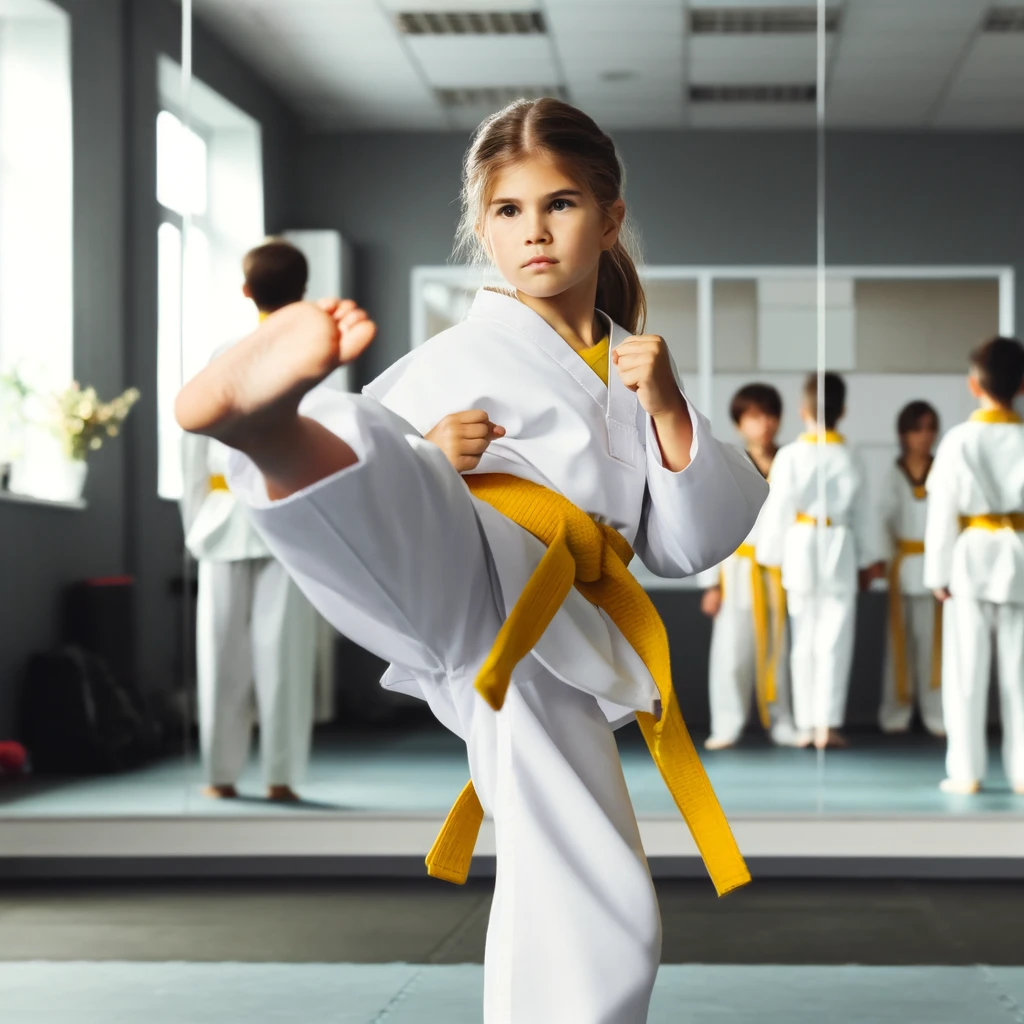
Taekwondo Training Regimen
Beginner’s Guide: Getting Started
Starting Taekwondo can be exhilarating and intimidating, but understanding the basics can ease the initial challenges. New practitioners often begin with the white belt, learning simple stances, punches, and kicks.
- Choosing the Right Dojang: Finding the right training environment is crucial. A good Dojang should have a positive atmosphere, experienced instructors, and proper facilities.
- Understanding the Basics: Beginners are taught the basic stances, such as the front stance (Ap Seogi) and the fighting stance (Joon-bee Seogi), which are foundational for all future techniques.
- Learning Etiquette: Respect is a core component in Taekwondo; beginners learn how to bow, when to listen, and the importance of discipline from the very first class.
Typical Training Session: What to Expect
Each training session varies depending on the school and the master, but certain components are ubiquitous in Taekwondo classes.
- Warm-Up and Stretching: Classes usually start with a series of warm-up exercises and stretches to prevent injuries and prepare the body for vigorous activity.
- Basic Techniques: Students practice fundamental techniques, including various punches, blocks, and kicks.
- Form Practice (Poomsae): Practitioners work on their forms, which are pre-arranged sets of movements simulating combat against an opponent.
- Sparring (Gyeorugi): This may not happen in every class, especially for beginners, but it is a vital part of training as it applies what has been learned in a controlled combat setting.
Advanced Training Techniques
As students progress, they delve into more complex techniques and forms, honing their skills, speed, and precision.
- Advanced Kicks and Combinations: More complex maneuvers such as spinning kicks, jump kicks, and multi-kick combinations are introduced.
- Refinement of Forms: Advanced students will refine their Poomsae for greater accuracy, expression, and efficiency.
- Conditioning: Physical conditioning to improve strength, speed, and endurance becomes a focal point for advanced practitioners.
Mental Conditioning
Advanced Taekwondo training also involves significant mental and strategic development.
- Mental Toughness: Advanced training puts emphasis on building resilience and mental toughness, preparing practitioners for both competitive fighting and personal challenges.
- Tactical Skills: Students learn the strategic aspects of sparring, including timing, distance control, and opponent analysis.
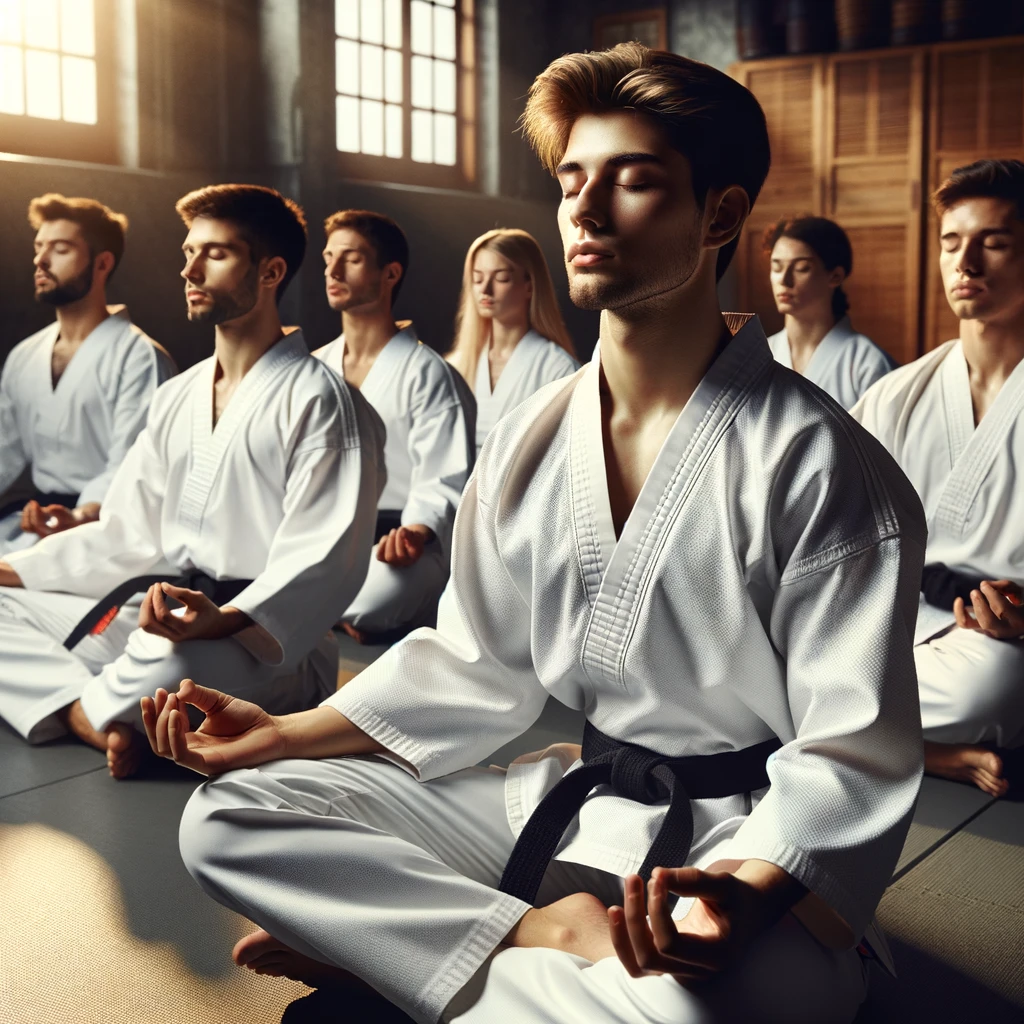
- Meditation and Breathing: Techniques for focusing the mind and controlling breathing are taught to enhance performance and calmness both in and out of the Dojang.
Training in Taekwondo is a dynamic process that evolves with the practitioner’s skills and goals. Whether the aim is fitness, self-defense, or competition, the training regimen adapts to meet these needs, offering a fulfilling path for personal development.
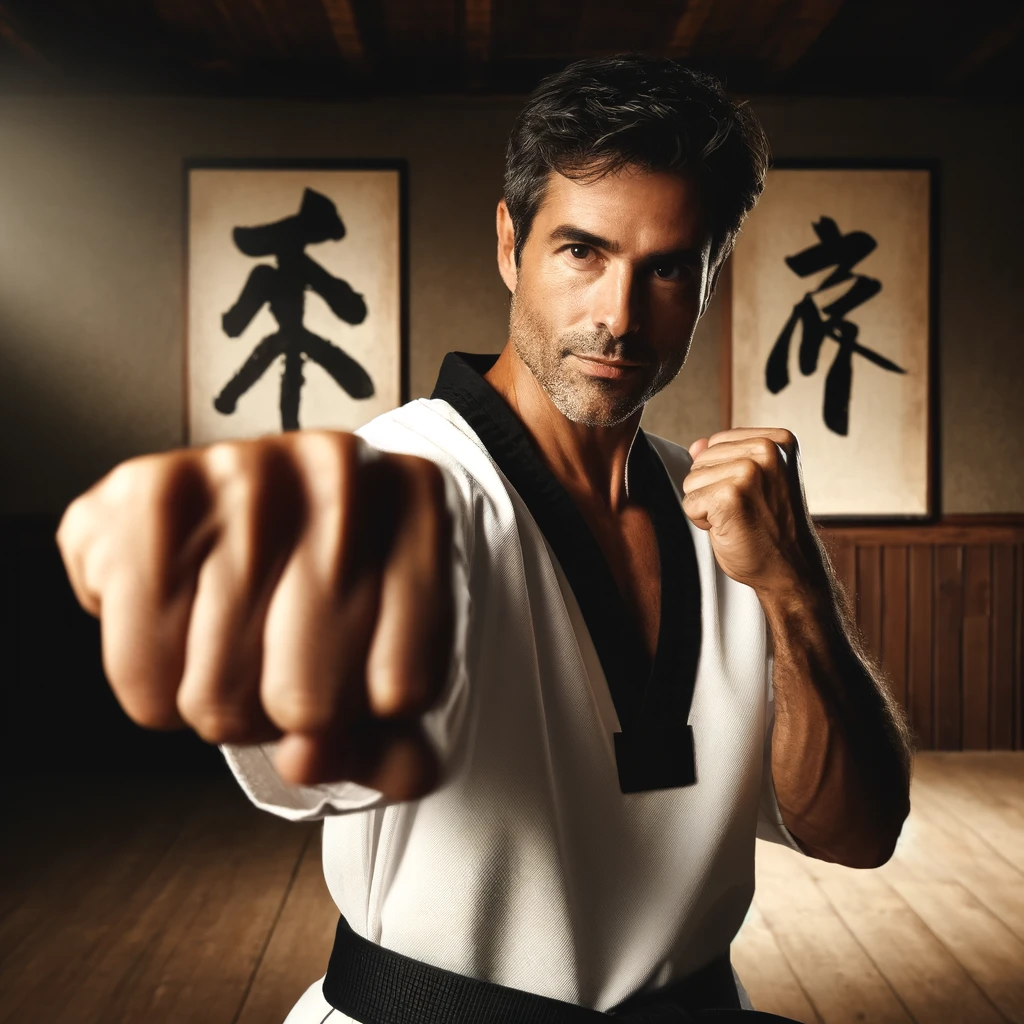
Taekwondo Equipment and Gear
Essential Gear for Safety and Performance
Proper equipment is essential in Taekwondo to ensure safety and enhance performance. This includes the uniform, protective gear, and other training aids.
- Uniform (Dobok): The Taekwondo uniform should be lightweight and durable to allow for freedom of movement. It consists of a jacket, pants, and a belt that indicates the practitioner’s rank.
- Footwear: While Taekwondo is typically practiced barefoot, martial arts shoes can be used, especially by those who require additional support or are training on rough surfaces.
Choosing the Right Taekwondo Uniform
The uniform, or Dobok, is not just attire but a part of the identity in Taekwondo, symbolizing purity and tradition.
- Material and Fit: Uniforms are usually made from cotton or a cotton-polyester blend, offering breathability and flexibility. The fit should not be too tight or too loose, enabling optimal movement.
- Color and Significance: White is the most common color symbolizing peace and purity. Black uniforms are typically reserved for instructors or high-level practitioners.
The Role of Protective Equipment in Sparring
Sparring gear is crucial to prevent injuries during practice fights and competitions. This gear must meet safety standards to effectively protect practitioners.
- Headgear: Provides cushion for the head to protect against accidental strikes, reducing the risk of concussion.
- Chest Protector (Hogu): A padded vest that covers the chest, stomach, and groin areas to absorb impact from kicks and punches.
- Forearm, Shin, and Groin Guards: These pads shield the forearms, shins, and groin from high-impact strikes, which are common during sparring.
- Mouthguard: Essential for protecting the teeth and gums, a mouthguard helps mitigate the risk of oral injuries.
- Gloves: Sparring gloves are padded to protect the hands and knuckles when blocking or striking an opponent.
Maintenance and Care for Taekwondo Gear
Maintaining and caring for your gear is essential to ensure longevity and performance.
- Cleaning and Storage: Uniforms should be washed regularly and stored in a cool, dry place. Protective gear must be aired out after use to prevent odor and deterioration.
- Regular Inspection: Check for any signs of wear and tear before and after use to ensure the equipment is in good condition and provides adequate protection.
Taekwondo gear and equipment are fundamental not only for the functionality and safety they provide but also for the discipline they represent in this martial art. Proper usage and care are paramount, reflecting the respect and commitment of the practitioner to their art.
Taekwondo Competitions
Local, National, and International Tournaments
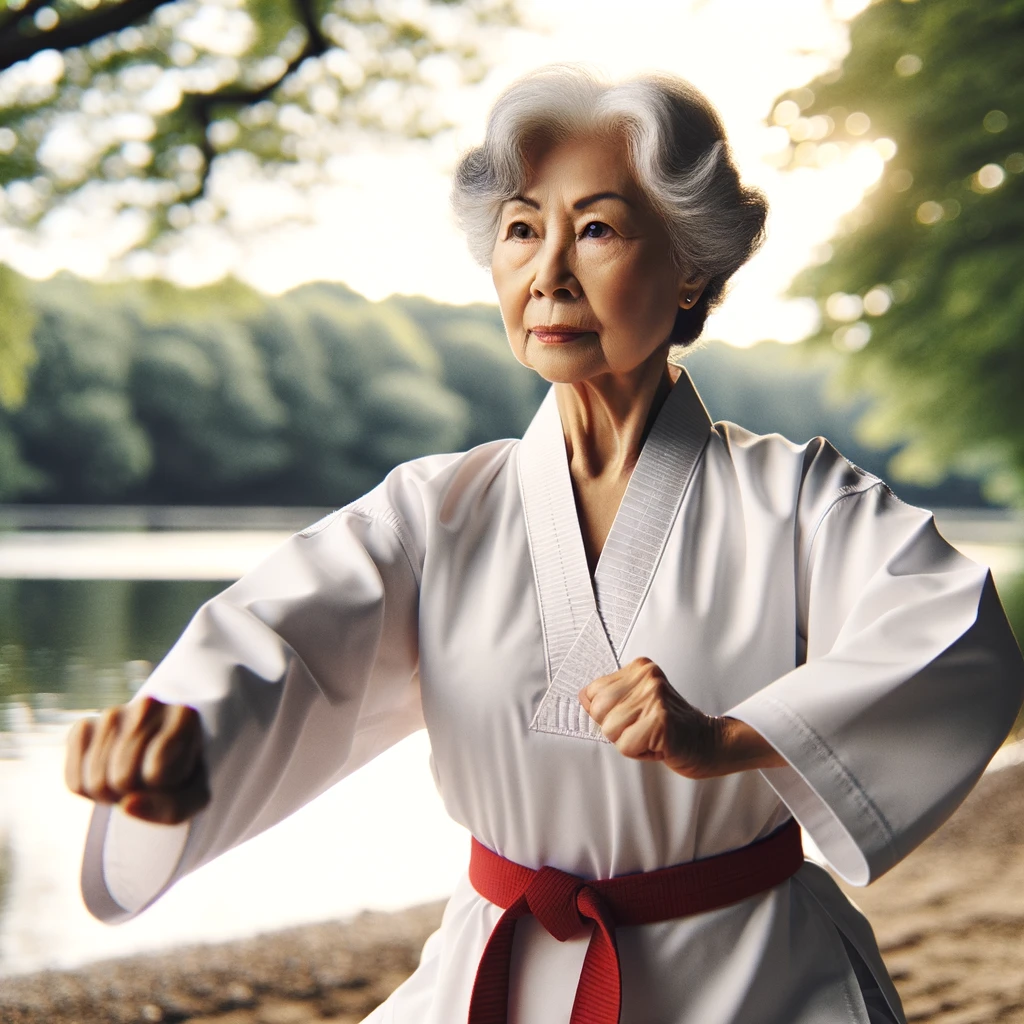
Taekwondo tournaments are a platform for practitioners to test their skills against others in a controlled, competitive environment. These events range from local and regional to national and international levels, each serving as a stepping stone for higher competition.
- Local and Regional Competitions: These are typically for novice to intermediate practitioners to gain experience, understand competitive settings, and test their skills on a smaller scale.
- National Championships: Higher-level competitions where practitioners from across the country compete, often serving as qualifiers for international events.
- International Meets: Including the Olympics and World Taekwondo Championships, these are the pinnacle of Taekwondo competition, featuring elite athletes from around the globe.
Understanding Competition Rules and Scoring
The rules in Taekwondo competitions are standardized by the World Taekwondo Federation and aim to ensure fairness and safety for all competitors.
- Scoring Techniques: Points are awarded based on the accuracy and power of strikes, with higher points for advanced techniques like spinning kicks or strikes to the head.
- Penalties: Penalties are given for infractions such as falling, going out of the ring, or prohibited acts like hitting below the belt.
- Weight Classes and Divisions: Competitors are divided into weight classes and age divisions to promote fairness. There are separate categories for males and females.
Famous Taekwondo Athletes and Their Impact
Several athletes have made significant impacts in Taekwondo, both on and off the mat, helping to popularize the sport globally.
- Jade Jones (UK): A double Olympic gold medalist, known for her aggressive style and strategic use of front-leg kicks.
- Steven Lopez (USA): A five-time World Champion and two-time Olympic gold medalist, Lopez has been a dominant force in Taekwondo for over a decade.
- Kim Soo-Nyung (South Korea): Noted for her poise and precision, Soo-Nyung has won numerous international titles and is a revered figure in the sport.
Preparing for Taekwondo Tournaments
Preparation for Taekwondo tournaments involves physical conditioning, technical refinement, and mental fortitude.
- Physical Conditioning: Building endurance through cardiovascular and strength training is crucial to withstand the demands of multiple rounds.
- Technical Skills: Practitioners refine their techniques and combinations to ensure they are performed with precision under pressure.
- Mental Preparation: Techniques such as visualization, relaxation, and focus drills are used to prepare mentally, aiming to reduce anxiety and improve performance.
Taekwondo competitions not only enhance the sport’s profile but also allow athletes to grow personally and professionally by testing their limits and showcasing their skills on a global stage.
The discipline, preparation, and competitive spirit fostered in these tournaments reflect the core values of Taekwondo.
Taekwondo for Different Ages and Abilities
Taekwondo for Children: Building a Strong Foundation
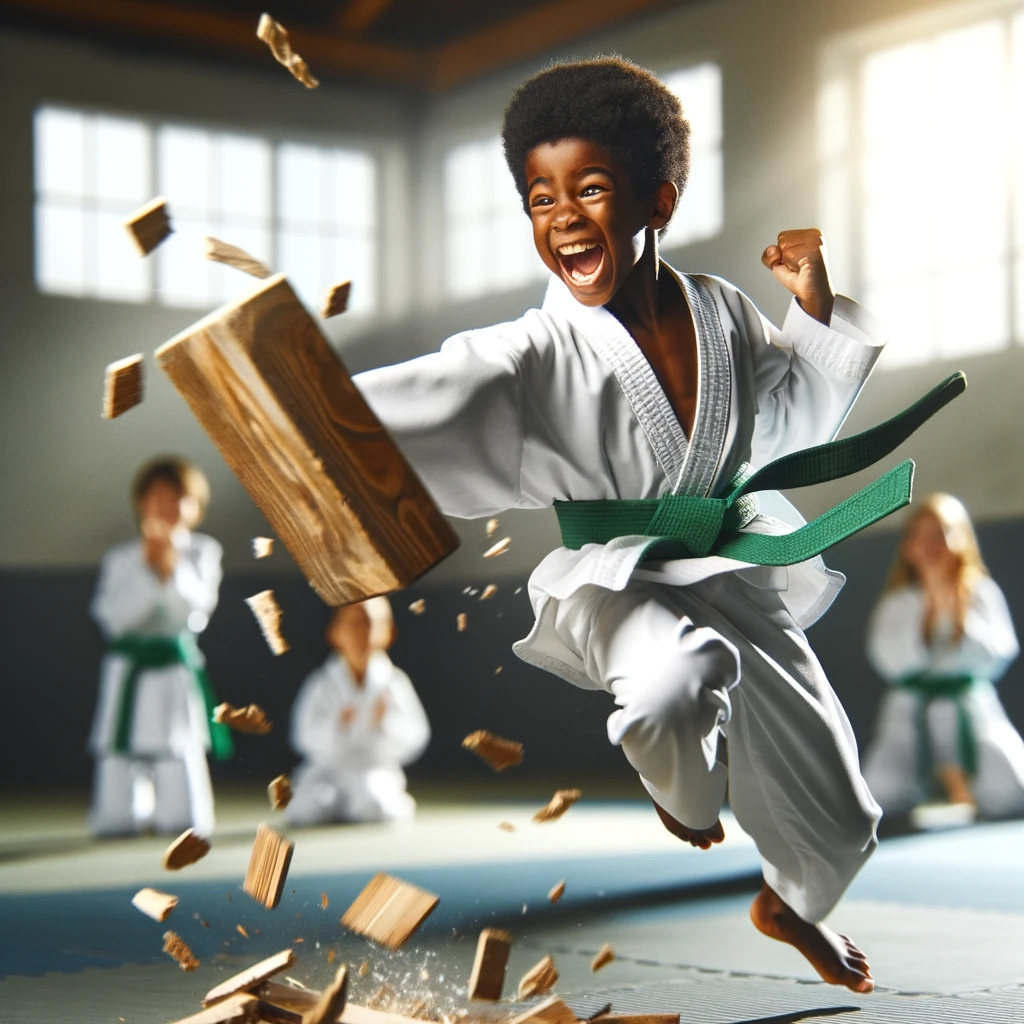
Taekwondo offers numerous benefits for children, including improvements in respect, discipline, and physical health. It provides a structured environment to help them develop mentally and physically.
- Physical Fitness: Taekwondo helps improve children’s coordination, flexibility, and overall health through dynamic movements.
- Discipline and Respect: Learning Taekwondo promotes discipline and respect for self and others, which are valuable lessons for interaction at home and school.
- Self-Confidence: Achieving goals and advancing through different belt levels enhances children’s self-esteem and confidence.
Benefits for Adults: Beyond Physical Fitness
Adults can significantly benefit from practicing Taekwondo, whether they are looking to improve physical fitness, relieve stress, or learn self-defense.
- Health and Fitness: Regular training sessions provide a great workout, improve cardiovascular health, and help with weight management.
- Stress Relief: Taekwondo is an excellent way to relieve stress and anxiety. The intense physical activity helps to decrease stress hormones and increase endorphin levels.
- Self-Defense Skills: Adults gain confidence knowing they can defend themselves, which also enhances their mental health.
Adapting Taekwondo for Seniors and People with Disabilities
Taekwondo is inclusive and can be adapted to meet the needs of seniors and those with physical disabilities, emphasizing its role in improving quality of life and fitness at any age.
- Modified Techniques for Safety: Techniques and forms are adapted to accommodate physical limitations, focusing more on precision and balance rather than speed and agility.
- Enhanced Mobility and Coordination: Regular practice can help improve mobility, flexibility, and coordination, which are particularly beneficial for seniors.
- Cognitive Benefits: For both seniors and disabled individuals, Taekwondo offers cognitive benefits such as improved memory, focus, and mental agility.
Integrative Practices for Inclusivity
To ensure everyone has the opportunity to practice Taekwondo, many dojangs offer integrative classes that cater to diverse needs.
- Wheelchair Taekwondo: Specialized classes and equipment are designed to make Taekwondo accessible for wheelchair users.
- Classes for the Visually Impaired: Instructors use verbal commands and tactile guidance to ensure visually impaired students can participate fully.
- Senior-Specific Classes: These classes focus on low-impact movements to enhance physical health without overstraining the body.
Taekwondo is a versatile martial art that caters to individuals of all ages and abilities. It not only promotes physical health but also mental and emotional well-being, making it a beneficial practice for everyone.
The adaptability of Taekwondo training ensures that it remains inclusive, allowing people from all walks of life to enjoy and benefit from its practices.
Cultural Impact of Taekwondo
Taekwondo in Popular Culture
Taekwondo has transcended its traditional roots to become a significant presence in popular culture, influencing movies, television, and even video games. This cultural adoption not only promotes Taekwondo but also inspires a new generation to explore martial arts.
- Movies and TV Shows: Films such as “Best of the Best” and series like “Cobra Kai” showcase Taekwondo techniques and the philosophies behind them, highlighting the art’s aesthetic and ethical dimensions.
- Video Games: Characters in popular video games often utilize Taekwondo moves, bringing the martial art to a vast audience in an engaging way.
- Literature and Media: Books and documentaries about Taekwondo help spread knowledge about its history, techniques, and benefits, further embedding it in cultural dialogues.
The Global Spread of Taekwondo and Its Cultural Significance
Originally from Korea, Taekwondo has grown into a global phenomenon, practiced in nearly every country in the world. This widespread adoption speaks volumes about its universal appeal and adaptability.
- Olympic Sport: Since its inclusion as a demonstration sport in the 1988 Seoul Olympic Games and becoming an official medal sport in 2000, Taekwondo has seen exponential growth in global popularity.
- Cultural Exchange: International competitions serve as platforms for cultural exchange, promoting mutual understanding and respect among practitioners from various backgrounds.
- Diplomacy and Global Peace: Taekwondo is also employed as a tool for diplomacy; its teachings of peace and respect align with the principles of many global peace initiatives.
Promoting Taekwondo Through International Federations
Various organizations play critical roles in promoting Taekwondo globally, standardizing practices, and organizing competitions.
- World Taekwondo Federation (WTF): Governs the sport aspects and ensures that competition standards are maintained across the globe.
- International Taekwondo Federation (ITF): Focuses on the art and tradition of Taekwondo, promoting the philosophical aspects and technical precision.
- Continental and National Federations: These bodies organize regional competitions and training seminars to foster growth at all levels of expertise.
Impact on Health and Lifestyle Worldwide
The influence of Taekwondo extends into health and lifestyle sectors globally, promoting physical fitness and mental well-being.
- Health Promotion: Taekwondo is recognized for its cardiovascular benefits and potential to improve physical and mental health.
- Lifestyle Influence: As a sport and exercise, Taekwondo encourages a lifestyle that values discipline, hard work, and respect for others.
Taekwondo’s cultural impact is profound as it continues to inspire, entertain, and bring people together across the globe.
Its role in popular culture and international relations highlights its significance beyond just a martial art, serving as a bridge between diverse cultures and contributing to global harmony.
Conclusion
Thanks for checking out this article on What is Taekwondo. We’ve explored the rich tapestry that makes up this dynamic and influential martial art, from its ancient roots to its modern-day applications across various spheres of life.
Taekwondo is more than just a system of self-defense; it is a pathway to physical robustness, mental clarity, and spiritual growth.
As we have seen, Taekwondo offers numerous benefits for all ages and abilities, enhancing physical health, mental discipline, and emotional well-being. It also fosters a sense of community and cultural exchange, enriching lives around the globe.
Whether you are attracted to Taekwondo for fitness, self-defense, or as a competitive sport, this martial art provides a structured and rewarding journey.
If you’re considering starting or continuing your martial arts journey, Taekwondo represents a compelling option that promises not only comprehensive physical activity but also profound life lessons in discipline, respect, and perseverance.
Embrace the challenge and let Taekwondo guide you towards a healthier, more confident, and disciplined life.
Frequently Asked Questions (FAQs)
What is Taekwondo in simple words?
Taekwondo is a Korean martial art and a dynamic form of martial arts that combines combat techniques, self-defense, sport, and exercise.
Originally developed during and after World War II, it incorporates the tenets of Taekwondo—courtesy, integrity, perseverance, self-control, and indomitable spirit.
Over time, Taekwondo has evolved into not just a martial arts form but also an Olympic event, reflecting its global acceptance and popularity.
What is the history of Taekwondo?
The history of Taekwondo dates back to ancient Korea, where a group of warriors known as the Hwa Rang practiced an early form called Tae Kyon, one of the oldest forms of martial arts.
During the Japanese occupation of Korea, the practice of native martial arts was banned, but it survived through underground teaching and influences from Japanese and other Asian martial arts.
After the occupation ended, Korean martial artists reunited the fragmented styles into a single style known as Taekwondo, promoted by the newly formed Korea Taekwondo Association.
What are the different styles of Taekwondo?
There are several different styles of Taekwondo, most notably those governed by the World Taekwondo (WT) and the International Taekwondo Federation (ITF).
WT, the oldest governing body, focuses on sport taekwondo with a specific scoring system for competitions. In contrast, ITF Taekwondo, founded by General Choi, emphasizes traditional elements and self-defense.
Additionally, there are variations taught at individual schools reflecting the diversity within this Korean martial art.
What is Taekwondo training?
Taekwondo training involves learning a series of movements including kicks, punches, and blocks, along with forms known as Taekwondo forms or Poomsae, and step sparring, a choreographed practice of defense and attack motions.
Training usually covers both the upper body and lower body techniques, ensuring a well-rounded physical workout. It also includes conditioning to improve strength, flexibility, and endurance, crucial for both self-defense and competitive practices in this martial arts form.
What is karate vs Taekwondo?
While both Taekwondo and Karate are forms of martial arts, they originate from different countries and have different focuses. Karate, a Japanese martial art, primarily uses hand strikes and is known for its emphasis on punch and block techniques involving the upper body.
In contrast, Taekwondo, a Korean martial art, focuses more on head-height kicks, jumping and spinning kicks, and rapid strike movements. Taekwondo is also a newer form compared to Karate, which has roots going back hundreds of years as a traditional Asian martial art.
How is Taekwondo practiced today?
Taekwondo today is practiced as both an art of self-defense and a competitive sport, including as an Olympic event. The South Korean government along with various international bodies like the WT and ITF, continue to promote and develop the practice globally.
Taekwondo practitioners train in multiple aspects from physical techniques to mental conditioning, across various martial arts schools and dojangs around the world.
The practice encourages physical health, mental discipline, and social interaction, adhering closely to its traditional roots and adapting to contemporary needs.
What role does the governing body play in Taekwondo?
The governing body for Taekwondo, mainly the World Taekwondo Federation and the International Taekwondo Federation, sets the standards for practices and competitions globally. They oversee the rules, regulations, and the scoring system used in official tournaments.
These bodies ensure that the sport remains true to its roots while evolving to meet modern demands. They also sanction national Taekwondo organizations and certify master instructors and referees to maintain and spread the quality of training.
Is Taekwondo different in North Korea?
In North Korea, Taekwondo is practiced in a style that blends elements of the ITF style and some local influences. Known officially as ITF Taekwondo, though with modifications, it includes more self-defense techniques and is less focused on the sport aspect.
The North Korean version promotes the martial art as a tool for national defense, reflecting the country’s militaristic and nationalistic ethos.

