What is BJJ? All You Need to Know (2024)
Thanks for checking out this unbiased article on What is BJJ? Whether you stumbled upon this gem while scrolling through your feed at 2 AM, or you’re earnestly seeking to transform your couch potato lifestyle into something Jon Jones might nod approvingly at, you’ve landed in the right place.
Brazilian Jiu-Jitsu (BJJ), a martial art that focuses on ground fighting and submission holds, beckons those brave enough to embark on a journey of physical and mental fortitude.
In today’s world, where the only grappling many of us do is with the remote or our last sliver of willpower to not devour another slice of pizza, BJJ offers an enticing escape.
It’s not just about throwing punches or flaunting high kicks; it’s a nuanced art form that teaches control, patience, and respect. Yet, diving into the world of martial arts can often feel intimidating, like you’re trying to decode an ancient language without a Rosetta Stone.
Fear not, for this guide serves as your beacon through the haze, illuminating the path from BJJ novitiate to aficionado. With each paragraph, you’ll uncover the layers that comprise this complex, rewarding practice.
From its rich history and fundamental principles to its profound impact on physical and mental health, you’re about to discover why Brazilian Jiu-Jitsu isn’t just a sport or a hobby but a lifestyle that cultivates resilience, discipline, and a sense of community.
Buckle up, and let’s embark on this enlightening voyage together.

What is BJJ? Let’s Dive In!
The Origins and Evolution of Brazilian Jiu-Jitsu
From the Mats of Feudal Japan to the Streets of Rio
Brazilian Jiu-Jitsu (BJJ) owes its genesis to the ancient Japanese martial art of Jujutsu, a system of close combat for defeating an armed and armored opponent in which one uses no weapon, or only a short weapon.
The adaptation and evolution of these techniques by the Gracie family in the early 20th century in Brazil marked the birth of BJJ.
This was not just a mere transplantation of Japanese martial arts onto Brazilian soil; it was a creative reimagining that focused on ground fighting and submissions, making it distinctively effective and universally applicable, regardless of one’s size or strength.
The Gracie Legacy and the Global Spread
The Gracie family, particularly brothers Carlos and Helio Gracie, are pivotal figures in the narrative of BJJ. They modified and refined the techniques to suit those of smaller stature, emphasizing leverage and technique over brute strength.
The Gracie Challenge and the Ultimate Fighting Championship (UFC) were instrumental in showcasing BJJ’s effectiveness against other martial arts, catapulting it onto the world stage.
Today, BJJ is not only a cornerstone of mixed martial arts (MMA) but also a globally practiced sport with a rich competitive scene and a dedicated community of practitioners.
The evolution of Brazilian Jiu-Jitsu from the mats of feudal Japan to the global phenomenon it is today is a testament to its adaptability, effectiveness, and the indomitable spirit of its practitioners.
As BJJ continues to evolve, it carries with it the legacy of the Gracie family and the ancient traditions of the samurai, reinterpreted for the modern world.
The Fundamental Principles of BJJ
Leverage, Technique, and Timing
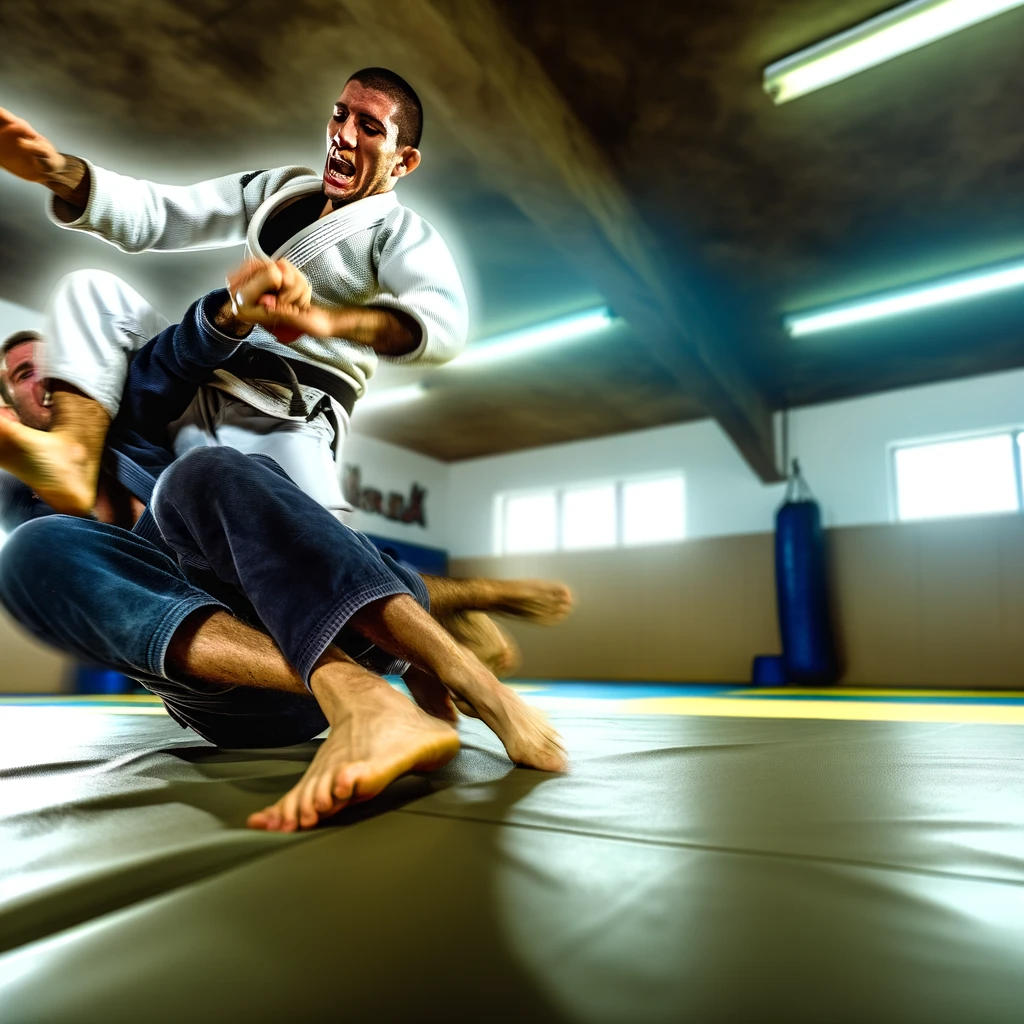
At the heart of Brazilian Jiu-Jitsu is the principle that a smaller, weaker person can successfully defend against a bigger, stronger assailant by using leverage, technique, and timing rather than brute strength.
This principle is what makes BJJ accessible and appealing to a wide range of individuals, regardless of their physical stature.
The emphasis on using the opponent’s force against them, finding and exploiting leverage points, and applying precise timing is what distinguishes BJJ from other martial arts. It’s a chess match on the mat, where intellect and strategy play as crucial a role as physical capability.
The Ground Game: Why Position Matters
BJJ practitioners spend a significant amount of time fighting on the ground, a stark contrast to most other martial arts that focus on striking and remain predominantly upright.
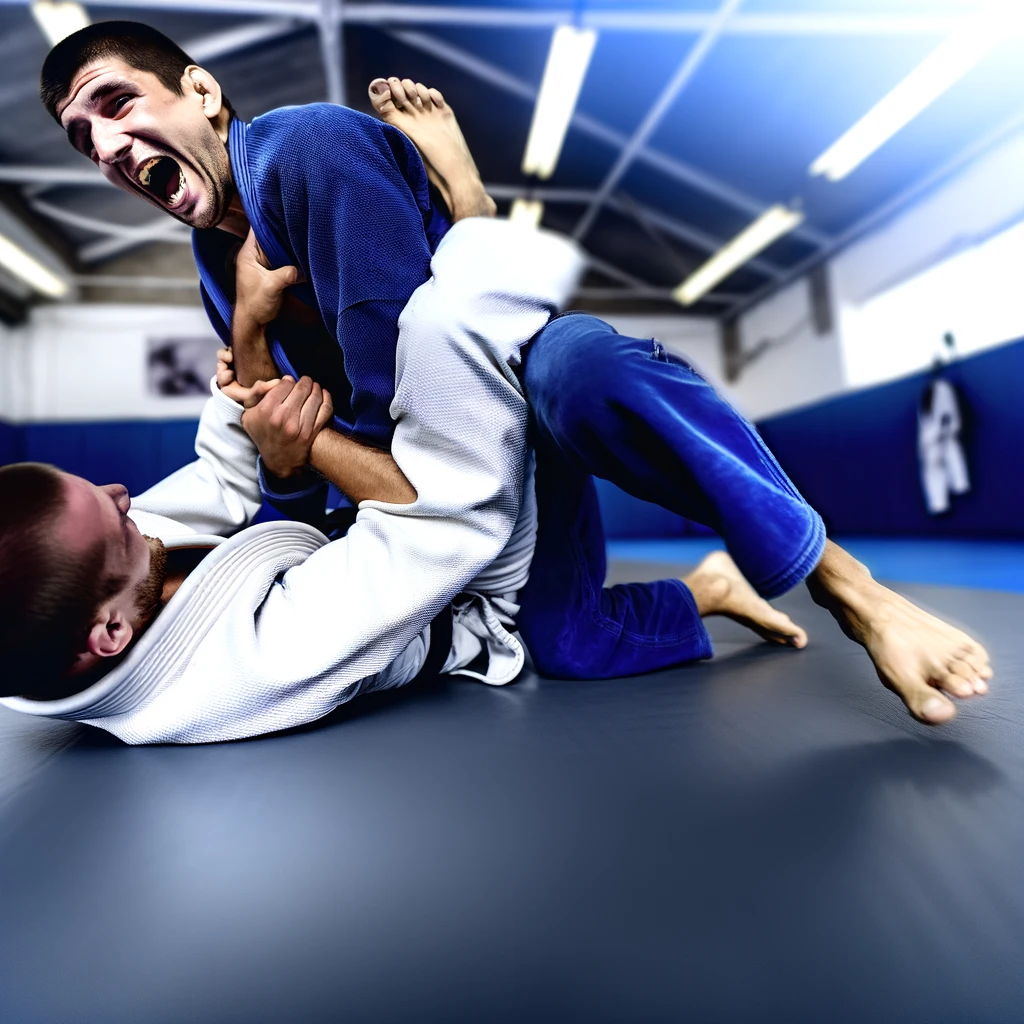
This ground game is characterized by various positions that practitioners aim to control, each offering different advantages and opportunities for submission.
- The Guard: A defensive position where one person lies on their back with their legs wrapped around an opponent. The person on the bottom can apply various submissions and sweeps from this position.
- The Mount: A dominant position where one person sits atop the torso of their opponent, aiming to control them and apply submissions.
- Back Control: Considered one of the most advantageous positions, where one practitioner takes the back of their opponent, with hooks (legs) in, aiming for choke submissions.
Understanding and mastering these positions are crucial in BJJ, as they form the basis of the sport’s strategic depth. Each position offers unique opportunities for offense and defense, making positional control a fundamental aspect of the practitioner’s game plan.
The Practice of BJJ
Gi vs. No-Gi: The Two Styles of Brazilian Jiu-Jitsu
Brazilian Jiu-Jitsu can be practiced in two distinct styles: Gi and No-Gi. The Gi style is characterized by the traditional kimono that practitioners wear, which allows for a variety of grips and techniques not available in No-Gi.
This style closely follows the roots of BJJ, incorporating elements from Judo and traditional Japanese Jujutsu. On the other hand, No-Gi BJJ resembles more closely the grappling styles seen in wrestling, with practitioners wearing shorts and rash guards.
This style emphasizes speed and agility, as the lack of clothing grips changes the dynamics of control and submissions.
- Strategic Differences: Choosing between Gi and No-Gi can significantly affect a practitioner’s strategy. The Gi offers myriad grip options for control and submissions, requiring precise technique, while No-Gi relies more on body grips, making the game faster and more dynamic.
- Cross-Training Benefits: Many practitioners train in both styles to round out their skills. Training in the Gi can improve technical precision and patience, while No-Gi can enhance speed and adaptability.
Common Techniques and Positions
Brazilian Jiu-Jitsu is a complex art with a vast repertoire of techniques and positions. Understanding these fundamental techniques is crucial for any practitioner, from the novice embarking on their BJJ journey to the seasoned competitor honing their skills.
- The Guard: A foundational position where one can defend against an opponent while looking for opportunities to attack. Variations include the Closed Guard, Open Guard, Spider Guard, and more, each with its unique advantages.
- The Mount and Back Control: Dominant positions that allow for a wide range of submissions and attacks. Mastery of these positions signifies a high level of control and understanding of BJJ fundamentals.
- Submissions: The ultimate goal in BJJ is to secure a submission, compelling your opponent to surrender. These include joint locks, such as armlocks and leglocks, and chokeholds, which can be applied from various positions.
Each technique and position within Brazilian Jiu-Jitsu contains layers of complexity and requires dedicated practice to master. This rich diversity makes BJJ a continually evolving and fascinating martial art to learn and practice.

Training and Competitions
The Journey from White Belt to Black Belt
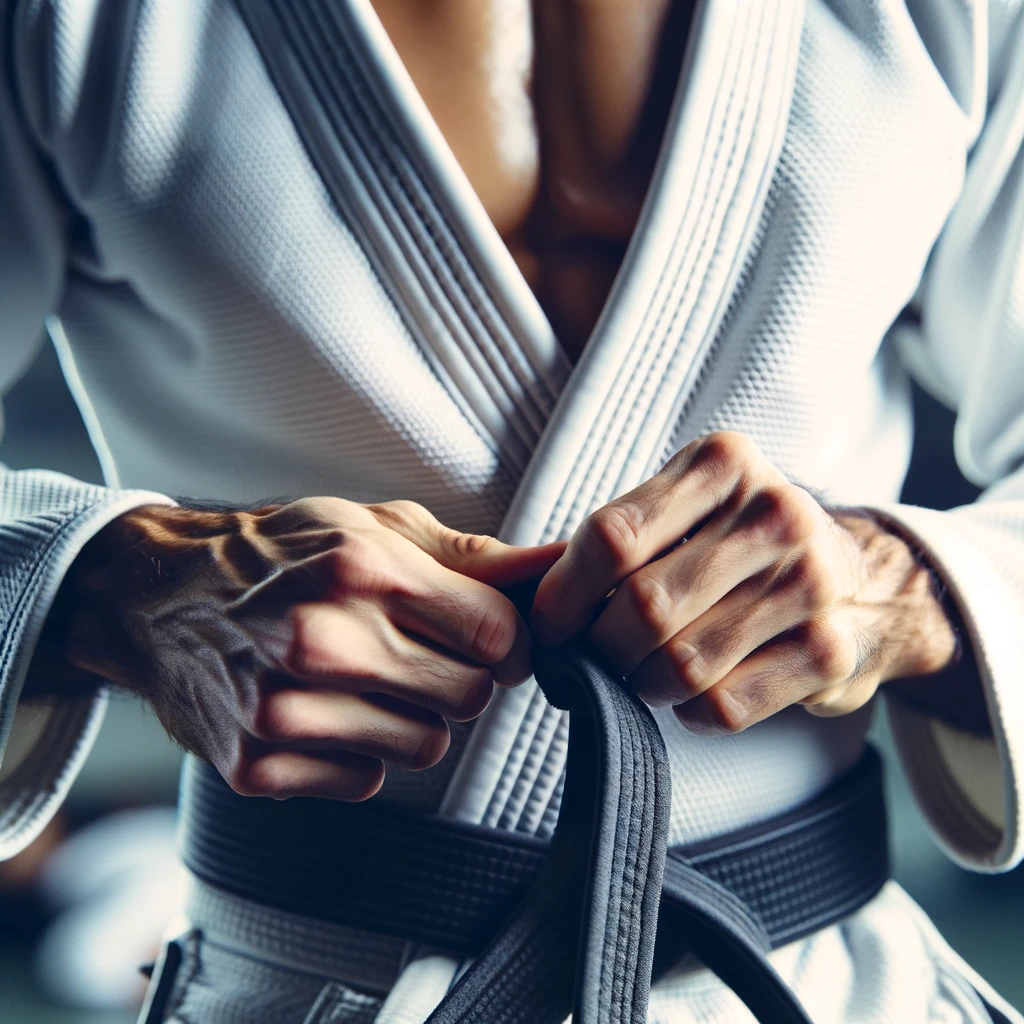
The progression through the belts in Brazilian Jiu-Jitsu is a journey that represents not only a practitioner’s skill level but also their dedication, understanding, and contribution to the art.
Starting from White Belt, the journey unfolds through Blue, Purple, Brown, and finally to Black Belt, with each belt marking a significant milestone in the practitioner’s BJJ voyage.
- White to Blue Belt: This phase is all about learning the fundamentals, understanding basic positions, and getting comfortable with the idea of grappling. It’s a time of immense growth and often where the passion for BJJ takes root.
- Blue to Purple Belt: At this stage, practitioners begin to develop their unique style and delve deeper into the strategies of BJJ. It’s also where many start assisting in teaching, further solidifying their understanding.
- Purple to Brown Belt: Marked by refinement and specialization, this phase sees the practitioner becoming proficient in their chosen techniques and beginning to make a name for themselves in competitions.
- Brown to Black Belt: Reaching Brown Belt means you’re fine-tuning your skills and preparing for the ultimate goal, the Black Belt, which signifies not just mastery of techniques but a deep understanding of the art and philosophy of BJJ.
BJJ Competitions: What to Expect
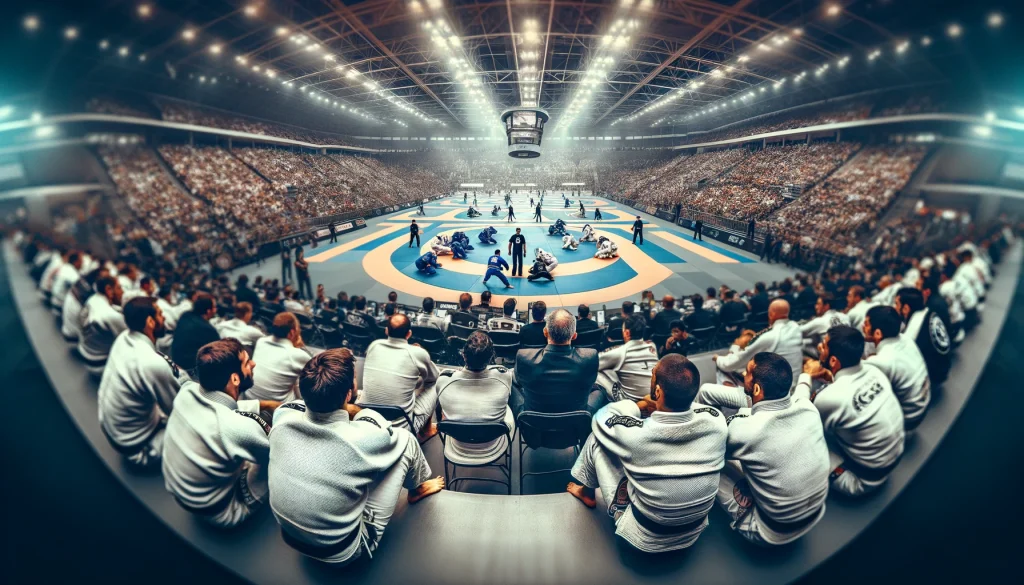
Competitions in Brazilian Jiu-Jitsu are where practitioners test their skills, resilience, and strategies against those of others in their belt category. These tournaments are not only about winning but about learning, adapting, and overcoming challenges.
- Weight and Belt Divisions: Competitors are divided into categories based on weight and belt level to ensure fairness and competitiveness.
- The Points System: Matches are scored based on positions and maneuvers, encouraging control, advancement, and submission attempts.
- The Experience: Competing is a rite of passage that offers invaluable insights into one’s abilities, gaps in knowledge, and mental resilience. It’s a celebration of the art where respect, honor, and camaraderie shine.
Training for and participating in BJJ competitions can accelerate personal growth, offering a tangible measure of one’s progress and fostering a deeper connection with the global BJJ community.

The Benefits of Practicing Brazilian Jiu-Jitsu
Physical and Mental Health Benefits
Engaging in Brazilian Jiu-Jitsu offers a comprehensive workout that not only enhances physical fitness but also promotes mental well-being.
The physical benefits include improved strength, flexibility, and cardiovascular health. BJJ’s dynamic nature ensures a full-body workout that can aid in weight loss and muscle toning.
On the mental side, BJJ is a powerful stress reliever. The intense focus required during training sessions allows practitioners to detach from daily stresses, providing a form of moving meditation.
The problem-solving aspect of grappling with opponents fosters critical thinking and boosts cognitive functions. Moreover, the discipline and patience learned on the mats can translate into various aspects of life, improving overall mental resilience.
Self-Defense and Confidence
One of the most practical benefits of BJJ is the self-defense skills it instills. Learning to defend oneself in various situations, especially on the ground, empowers individuals, enhancing their confidence and self-esteem.
This confidence transcends the mats, affecting personal and professional life positively.
The ability to remain calm under pressure, a trait honed in BJJ, is invaluable in real-world self-defense scenarios. Practitioners learn to manage physical confrontations intelligently, using technique over force, which can be particularly beneficial for women and smaller individuals.
Building Community and Social Connections
Brazilian Jiu-Jitsu is more than a martial art; it’s a community. Training sessions provide an opportunity to meet people from diverse backgrounds, fostering friendships and a sense of belonging.
The mutual respect developed between training partners creates a supportive environment conducive to personal growth and learning.
The global BJJ community is connected through competitions, seminars, and social media, offering numerous opportunities to engage with and learn from others worldwide.
This sense of community extends beyond the gym, creating a network of support and camaraderie that enriches practitioners’ lives.

BJJ Culture and Community
The Role of Respect and Etiquette
In the world of Brazilian Jiu-Jitsu, respect and etiquette hold paramount importance, shaping the culture and community that surround the art.
From bowing upon entering and leaving the mat to the courteous treatment of instructors and fellow practitioners, these traditions foster a respectful and supportive training environment.
- Respect for the Hierarchy: The belt ranking system is a key component of BJJ culture, denoting a practitioner’s skill level and experience. Showing respect to higher belts is customary, acknowledging their dedication and knowledge.
- The Importance of Etiquette: Simple acts, like keeping the training gear clean and being punctual for classes, are fundamental etiquettes that demonstrate respect for the art and those who practice it.
How BJJ Builds a Global Family
Brazilian Jiu-Jitsu transcends geographic and cultural boundaries, uniting people under the shared love for the martial art.
This global family is connected through a network of gyms, competitions, and social media platforms, where experiences, techniques, and stories are shared.
- International Competitions and Seminars: These events serve as melting pots for the BJJ community, offering opportunities to meet, train, and compete with practitioners from around the world.
- Online Forums and Social Media: The digital age has allowed the BJJ community to thrive online, with forums and social media groups facilitating discussion, advice, and the sharing of motivational stories.
The culture and community of BJJ play a crucial role in the art’s appeal and the loyalty of its practitioners.
It’s a culture that celebrates diversity, promotes personal growth, and values the contribution of each member, making Brazilian Jiu-Jitsu much more than just a martial art; it’s a way of life.
BJJ Culture and Community
The Role of Respect and Etiquette
Brazilian Jiu-Jitsu is steeped in a culture of respect and etiquette, which is evident from the first bow upon entering the dojo to the final bow after class. These traditions foster a respectful environment where learning and personal growth are paramount.
- Bow Before Entering/Leaving the Mat: This symbolizes leaving the outside world behind and showing respect for the space where you train and grow.
- The Importance of Cleanliness: Keeping the Gi clean and nails trimmed is not just about hygiene; it’s a sign of respect for your partners and the art itself.
- Listening and Learning: The culture of BJJ encourages constant learning and listening, whether it’s from a black belt instructor or a blue belt with a different perspective.
How BJJ Builds a Global Family
BJJ has a unique way of bringing people together, creating a global family bonded by the love for the art. Regardless of where you are in the world, stepping into a BJJ gym can feel like coming home.
- International Seminars and Camps: These gatherings are not just about learning new techniques but about sharing experiences and stories, further cementing the bonds within the BJJ community.
- Competitions Worldwide: Competing across different countries offers the chance to meet fellow practitioners from various backgrounds, expanding one’s network and understanding of the global BJJ culture.
The culture and community within BJJ go beyond just training together; they are about supporting each other, celebrating successes, and learning from failures.
It’s a brotherhood and sisterhood formed through shared struggles and triumphs on the mats, creating bonds that often last a lifetime.

Conclusion
Thanks for checking out this article on What is BJJ? We’ve journeyed together through the depths of Brazilian Jiu-Jitsu, uncovering its origins, principles, practices, and the profound impact it has on those who embrace it.
From its roots in feudal Japan to its transformation into a global phenomenon, BJJ has proven to be much more than a martial art—it’s a lifestyle that fosters physical fitness, mental resilience, and a strong sense of community.
As we’ve seen, BJJ offers something for everyone, whether you’re looking to improve your physical health, learn self-defense, or simply find a welcoming community.
It challenges you to grow in ways you might not have expected, pushing you beyond your limits and teaching valuable life lessons along the way.
So, whether you’re a seasoned practitioner or someone curious about starting their BJJ journey, remember that the mats are a place of endless discovery and personal development. Here’s to your journey in BJJ—may it be as rewarding and transformative as the art itself.
Frequently Asked Questions (FAQ)
How do you explain BJJ to someone?
Brazilian Jiu-Jitsu, often abbreviated as BJJ, is a martial art and combat sport that focuses on ground fighting and submission holds.
It originated in the early 1900s, heavily influenced by Mitsuyo Maeda, also known as Count Koma, who taught Jiu-Jitsu to Carlos Gracie in Brazil.
BJJ emphasizes using leverage and proper technique to control and submit a stronger opponent, making it a popular choice among martial artists worldwide.
It’s often described as “human chess” due to the strategic and intellectual engagement it requires, offering both a great workout and an incredible mental workout.
Why is it so hard to learn BJJ?
BJJ is considered challenging due to its complex nature and the vast array of techniques it encompasses.
It’s a grappling art that requires practitioners to learn and master countless movements and positions, such as side control, full mount, and back mount, each with limitless variations.
Additionally, BJJ demands understanding your partner’s movements and reacting accordingly, which enhances both reasoning skills and reactive ability. The learning curve is steep, but the physical and mental benefits of Jiu-Jitsu make it a rewarding journey.
Is BJJ a tough sport?
Yes, BJJ is recognized as a tough sport. It is one of the most popular martial arts that demands both physical and mental dedication.
Practitioners face physical challenges, such as learning explosive movements and developing muscle tone, and mental challenges, including overcoming the stresses of daily life and enhancing physical limitation awareness.
BJJ provides a comprehensive workout that rivals other physical activities, testing a person’s endurance, strength, and flexibility across various weight classes.
What is BJJ fighting style?
The fighting style of Brazilian Jiu-Jitsu is primarily focused on ground combat. It leverages the principals of Jiu-Jitsu, developed to allow a smaller, less strong individual to defeat a stronger opponent by using proper techniques, such as locks and chokes, and controlling the fight through positions like guard, side control, and full mount.
BJJ’s effectiveness in self-defense and mixed martial arts (MMA) competitions, especially when combined with striking arts like Muay Thai, has solidified its reputation in the United States and globally as a highly effective and strategic combat sport.
How can BJJ improve daily life?
Practicing BJJ can significantly enhance one’s daily life by providing stress relief, improving physical health, and boosting self-confidence.
The physical benefits of Jiu-Jitsu, such as increased muscle tone and better overall fitness, are well-documented.
Moreover, the mental discipline and focus required in training can improve one’s ability to deal with the stresses of daily life, enhance problem-solving skills, and promote a positive mental state.
What should I know before starting BJJ?
Before taking the next step into BJJ, understand that it’s more than just a new martial art or physical activity; it’s a journey into learning about your body, mind, and spirit.
It welcomes individuals of all ages and backgrounds, regardless of physical limitations. Knowing the history of BJJ, from the early teachings of Mitsuyo Maeda to the global spread thanks to the Gracie family, can also enrich your appreciation for the sport.
Be prepared for a challenging yet rewarding path that will test and build your physical and mental resilience.