

Best Muay Thai Gym Near Me: Read Before Joining (2024)
Thanks for checking out this unbiased article on Muay Thai gym near me. If you’re considering taking up Muay Thai, you might be overwhelmed by the sheer number of options available.
Finding the right gym can be a daunting task, especially with so many factors to consider such as location, facilities, and instructor qualifications. It’s crucial to choose a gym that fits your personal needs and goals, ensuring you get the most out of your training experience.
With its rich history and intense physical demands, Muay Thai offers numerous benefits, from improved fitness to enhanced mental clarity. However, not all gyms are created equal. Some may lack experienced instructors, while others might not provide the supportive community you need.
Understanding what to look for in a Muay Thai gym can save you time, money, and frustration, helping you avoid common pitfalls and make an informed decision.
In this comprehensive guide, we’ll walk you through everything you need to know about finding the best Muay Thai gym near you. From assessing gym facilities to understanding class structures, we’ve got you covered.
By the end of this article, you’ll be well-equipped to choose a gym that aligns with your fitness goals and sets you on the path to becoming proficient in this powerful martial art.

Where’s The Best Muay Thai Gym Near Me?
Why Choose Muay Thai?
Benefits of Muay Thai
Muay Thai is more than just a combat sport; it offers a myriad of benefits that cater to both the body and mind. Regular training can significantly improve your cardiovascular health, strength, and flexibility.
The intense workouts help burn calories and reduce body fat, leading to a leaner and more toned physique. Additionally, the discipline and mental focus required in Muay Thai training can enhance your mental clarity, stress relief, and overall well-being.
History and Culture of Muay Thai
Muay Thai, also known as the “Art of Eight Limbs,” has a rich history that dates back centuries in Thailand. Originally developed for self-defense, it has evolved into a competitive sport and a revered martial art.
Understanding the cultural significance of Muay Thai can deepen your appreciation for the sport and enrich your training experience. The traditions, rituals, and respect inherent in Muay Thai are integral parts of its practice, connecting practitioners to a long lineage of warriors.
Comparing Muay Thai to Other Martial Arts
While there are many martial arts to choose from, Muay Thai stands out due to its unique combination of striking techniques using fists, elbows, knees, and shins. Unlike other martial arts that may focus on a specific aspect of combat, Muay Thai provides a comprehensive approach to striking.
For example, boxing primarily utilizes punches, and karate emphasizes precise strikes and kata forms. Muay Thai’s versatility makes it an excellent choice for those seeking a full-body workout and practical self-defense skills.
- Muay Thai vs. Boxing: Boxing focuses on punches and footwork, while Muay Thai incorporates kicks, elbows, and knees, providing a more diverse set of techniques.
- Muay Thai vs. Karate: Karate involves striking and blocking techniques, often performed in solo forms (kata), whereas Muay Thai emphasizes continuous sparring and conditioning drills.
- Muay Thai vs. Brazilian Jiu-Jitsu: Brazilian Jiu-Jitsu (BJJ) specializes in ground fighting and submissions, whereas Muay Thai is predominantly a stand-up striking art.
By choosing Muay Thai, you are not only engaging in a physically demanding sport but also immersing yourself in a discipline that promotes mental toughness, cultural appreciation, and a holistic approach to fitness and self-defense.

Finding the Right Muay Thai Gym
Location and Accessibility
When searching for a Muay Thai gym near me, the location is a critical factor. A conveniently located gym makes it easier to stick to a consistent training schedule. Consider how close the gym is to your home or workplace, and evaluate the traffic conditions and public transportation options.
A gym that’s easy to get to will help you maintain motivation and ensure you can train regularly without logistical challenges.
Gym Facilities and Equipment
The quality of facilities and equipment can greatly impact your training experience. Look for gyms that offer a clean, well-maintained environment with adequate space for both individual and group training. Key pieces of equipment to look for include:
- Heavy Bags: Essential for practicing strikes and building power.
- Pad Sets: Used in partner drills to improve accuracy and technique.
- Muay Thai Ring: Provides a space for sparring and simulating real fight conditions.
- Strength and Conditioning Equipment: Such as free weights, kettlebells, and cardio machines to support overall fitness.
Class Schedule and Flexibility
A gym with a flexible class schedule can accommodate your lifestyle and training needs. Check if the gym offers classes at various times throughout the day, including mornings, evenings, and weekends.
Additionally, consider if they provide different types of classes, such as beginner, intermediate, and advanced levels, to match your current skill level and progression.
Pricing and Membership Options
Pricing is another crucial aspect when choosing a Muay Thai gym. Look for transparent pricing structures and membership options that fit your budget. Many gyms offer:
- Drop-In Rates: For those who want to try out a class without committing.
- Monthly Memberships: Often the most cost-effective for regular attendees.
- Packages: Such as a set number of classes per month at a discounted rate.
Ensure there are no hidden fees and that the contract terms are clear. Some gyms may also offer free trials or promotional deals, so take advantage of these opportunities to assess the gym before making a commitment.
Instructor Experience and Qualifications
The experience and qualifications of the instructors can make or break your Muay Thai training. Look for gyms with certified, experienced trainers who have a background in competitive Muay Thai. Qualified instructors should provide:
- Comprehensive Training: Covering techniques, conditioning, and strategy.
- Personalized Feedback: Helping you improve your skills and avoid bad habits.
- Safety and Injury Prevention: Ensuring proper techniques to minimize the risk of injury.
Research the instructors’ backgrounds, read reviews, and, if possible, observe a class to gauge their teaching style and expertise.
Community and Atmosphere
A supportive and welcoming community can enhance your Muay Thai experience. Look for gyms that foster a positive atmosphere where members encourage each other and build camaraderie.
A strong community can provide motivation, accountability, and a sense of belonging, making your training journey more enjoyable and sustainable.
- Member Reviews: Read testimonials and reviews from current and past members to get a sense of the gym’s culture.
- Social Media Presence: Follow the gym’s social media accounts to see how they interact with members and promote events or achievements.
- Trial Classes: Participate in a few trial classes to experience the community and atmosphere firsthand.
By considering these factors, you can find a Muay Thai gym that not only meets your practical needs but also aligns with your personal preferences and training goals.

What to Expect in a Muay Thai Gym
Introduction to Muay Thai Training
Stepping into a Muay Thai gym for the first time can be both exciting and intimidating. Understanding what to expect can help ease any anxieties and prepare you for the journey ahead. Muay Thai training is designed to build your physical and mental strength, focusing on technique, endurance, and discipline.
Typical Muay Thai Class Structure
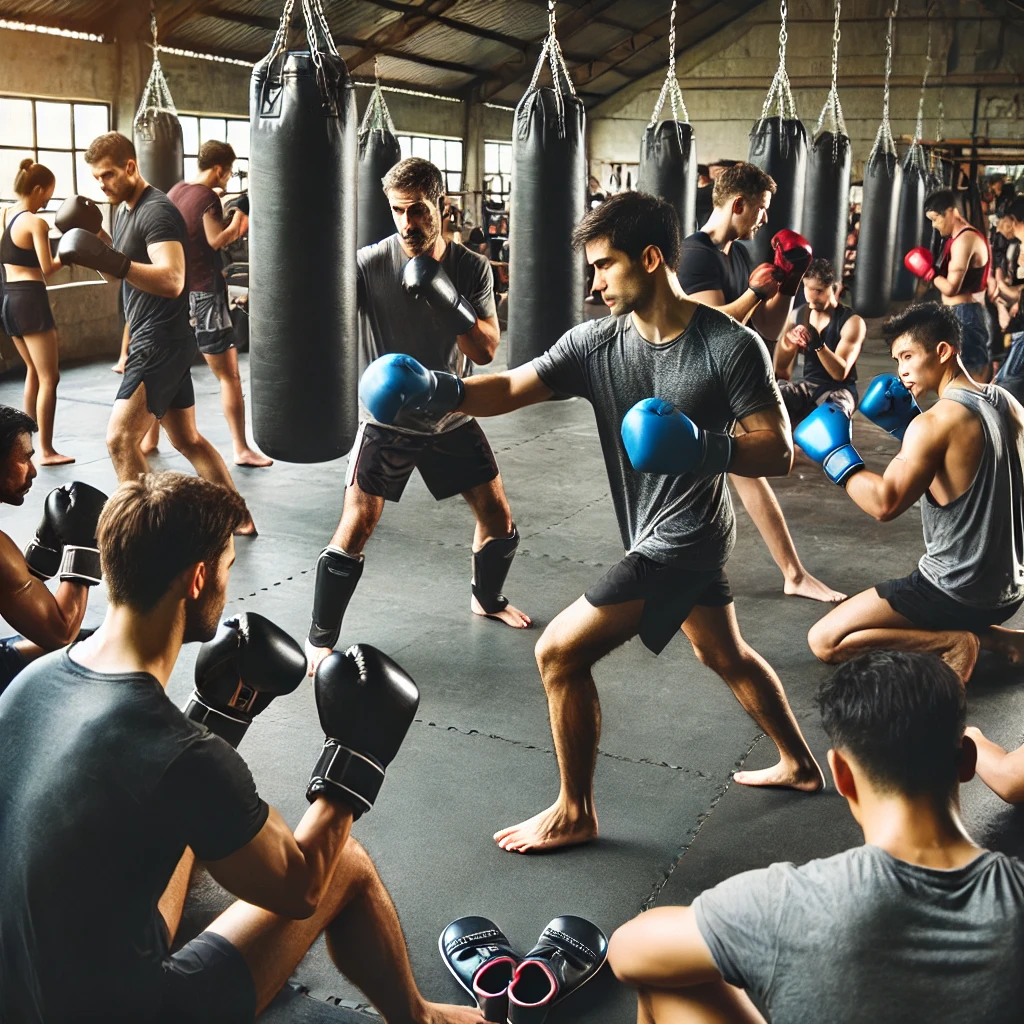
A typical Muay Thai class is structured to provide a comprehensive workout that includes warm-up, skill training, and conditioning. Here’s a breakdown of what you can expect:
- Warm-Up and Conditioning: Classes usually start with a warm-up to get your body ready for the intense workout ahead. This can include running, skipping rope, shadowboxing, and dynamic stretching to increase your heart rate and loosen your muscles. Conditioning exercises such as push-ups, sit-ups, and burpees are also common to build strength and endurance.
- Technique Drills and Pad Work: After the warm-up, the class will typically move into technique drills. These drills are designed to improve your striking accuracy, power, and form. You’ll practice punches, kicks, elbows, and knees in combination with a partner or on pads held by an instructor. Pad work is essential for developing timing, speed, and precision.
- Sparring and Partner Drills: Sparring is a controlled practice fight that allows you to apply the techniques you’ve learned in a realistic setting. It helps you develop timing, distance management, and defensive skills. Partner drills, such as clinch work and defensive maneuvers, are also a key component, providing a hands-on way to practice techniques in a more dynamic environment.
- Cool Down and Recovery: Classes typically end with a cool down to help your body recover. This can include static stretching, foam rolling, and breathing exercises to reduce muscle soreness and improve flexibility. Cooling down is crucial for preventing injuries and maintaining long-term fitness.
Warm-Up and Conditioning
Warm-ups are designed to prepare your body for the physical demands of Muay Thai. They typically include:
- Running and Skipping Rope: These cardiovascular exercises increase your heart rate and blood flow, preparing your muscles for intense activity.
- Dynamic Stretching: Moves like leg swings and arm circles help to increase your range of motion and reduce the risk of injury.
- Shadowboxing: This practice allows you to focus on your form and technique without resistance, helping to refine your skills.
- Strength and Conditioning Exercises: Push-ups, sit-ups, and burpees are often incorporated to build overall strength and endurance.
Technique Drills and Pad Work
Technique drills focus on perfecting your strikes and combinations. You will:
- Practice Combinations: Using various strikes such as punches, kicks, elbows, and knees in a fluid sequence.
- Focus on Accuracy and Power: Ensuring that each strike is delivered with proper technique to maximize effectiveness.
- Pad Work with Instructors: Instructors hold pads for you to strike, providing real-time feedback on your technique and power.
Sparring and Partner Drills
Sparring and partner drills are essential for applying what you’ve learned in a controlled environment. During these sessions, you will:
- Engage in Light Sparring: Practice your techniques in a simulated fight to develop timing and defensive strategies.
- Work on Clinch Techniques: Learn how to control and strike from the clinch, a key component of Muay Thai.
- Perform Defensive Drills: Practice blocking, parrying, and evading strikes to enhance your defensive skills.
Cool Down and Recovery
The cool-down phase helps your body transition from intense activity to a resting state. This usually includes:
- Static Stretching: Holding stretches for longer periods to improve flexibility and reduce muscle tension.
- Foam Rolling: Using a foam roller to massage and release tight muscles.
- Breathing Exercises: Techniques to calm your mind and body, promoting relaxation and recovery.
By understanding the structure of a typical Muay Thai class, you can approach your training with confidence and enthusiasm, knowing what to expect and how to make the most of each session.

Qualities of a Good Muay Thai Gym
Experienced and Qualified Instructors
The backbone of any good Muay Thai gym is its instructors. Experienced and qualified instructors not only possess extensive knowledge of Muay Thai techniques but also understand how to effectively teach and motivate students. Look for gyms where instructors have:
- Professional Fighting Experience: Instructors with professional fight experience bring practical insights and firsthand knowledge of the sport.
- Certifications and Training: Recognized certifications ensure that instructors have met specific standards of training and competency.
- Positive Student Reviews: Feedback from current and former students can provide insights into an instructor’s teaching style and effectiveness.
Clean and Safe Environment
A clean and safe training environment is essential for both hygiene and injury prevention. When evaluating a gym, consider the following aspects:
- Hygiene Standards: The gym should have regular cleaning schedules for mats, equipment, and facilities to prevent the spread of infections.
- Safety Measures: Proper safety measures, such as padded floors, well-maintained equipment, and first aid availability, are crucial.
- Spacious Layout: Ample space ensures that training sessions are not overcrowded, reducing the risk of accidents.
Community and Supportive Atmosphere
A supportive community can greatly enhance your training experience. A good Muay Thai gym fosters a positive and inclusive atmosphere where members feel welcomed and encouraged. Key elements of a supportive community include:
- Friendly Members: Gyms with a welcoming culture make it easier to form connections and stay motivated.
- Inclusive Environment: A gym that promotes inclusivity and respects diversity ensures everyone feels comfortable.
- Team Events and Socials: Participating in team events, seminars, and social gatherings can strengthen the sense of community and camaraderie.
Success Stories and Testimonials
Hearing about the success of other members can be inspiring and give you confidence in the gym’s training program. Look for:
- Member Testimonials: Positive testimonials can provide insights into the gym’s strengths and the progress members have made.
- Before and After Stories: Transformation stories highlight the effectiveness of the training and the potential for personal growth.
- Competition Success: Gyms with members who compete successfully can demonstrate the quality of their training programs.
By choosing a Muay Thai gym with experienced instructors, a clean and safe environment, a supportive community, and proven success stories, you can ensure a positive and productive training experience.

Preparing for Your First Muay Thai Class
What to Wear and Bring
Preparing for your first Muay Thai class involves knowing what to wear and bring. Proper attire and equipment can enhance your training experience and ensure comfort and safety. Here’s what you need:
- Comfortable Workout Clothes: Wear breathable and flexible clothing such as shorts and a t-shirt or tank top.
- Muay Thai Shorts: These are designed for maximum mobility and are often required by gyms.
- Hand Wraps: Essential for protecting your hands and wrists during striking.
- Boxing Gloves: While some gyms provide gloves, having your own pair ensures a better fit and hygiene.
- Water Bottle: Staying hydrated is crucial during intense workouts.
- Towel: Bring a towel to wipe off sweat and keep yourself dry.
Basic Muay Thai Terminology
Familiarizing yourself with basic Muay Thai terminology can help you follow instructions more easily during class. Here are some key terms:
- Jab (Mat): A quick, straight punch thrown with the lead hand.
- Cross (Tee): A powerful straight punch delivered with the rear hand.
- Hook (Mat Wong): A punch that travels in a circular path.
- Roundhouse Kick (Tee Kao): A powerful kick executed with a swinging motion.
- Elbow Strike (Sok): A short-range strike using the elbow.
- Knee Strike (Khao): A strike delivered with the knee, often used in the clinch.
Understanding Muay Thai Etiquette
Respect and discipline are core values in Muay Thai, and understanding the etiquette is essential for a positive experience. Here’s what you should know:
- Respect the Instructor: Always show respect to your instructor by addressing them properly and following their guidance.
- Bowing: Bowing when entering and leaving the training area is a sign of respect in Muay Thai culture.
- Personal Hygiene: Maintain good hygiene by keeping your gear clean and ensuring you are presentable.
- Punctuality: Arrive on time to show respect for the class schedule and your fellow students.
- Positive Attitude: Maintain a positive and respectful attitude towards your training partners.
Tips for Beginners
Starting Muay Thai can be challenging, but these tips can help you make the most of your training:
- Listen and Observe: Pay close attention to your instructor’s demonstrations and advice.
- Practice Consistently: Regular practice is key to improving your skills and building endurance.
- Stay Patient: Progress in Muay Thai takes time, so be patient with yourself and keep pushing forward.
- Ask Questions: Don’t hesitate to ask your instructor for clarification or assistance.
- Focus on Technique: Prioritize proper technique over power to build a solid foundation.
By preparing properly, understanding basic terminology and etiquette, and following these beginner tips, you can approach your first Muay Thai class with confidence and set the stage for a rewarding training experience.

Advanced Training and Competitions
Progressing in Muay Thai: Levels and Belts
As you advance in Muay Thai, you will progress through different levels that signify your growing expertise.
While traditional Muay Thai doesn’t use a belt system like some other martial arts, many gyms have adopted colored armbands or shorts to represent different levels of proficiency. Here’s a general progression you might encounter:
- Beginner: Focuses on learning basic techniques, building stamina, and understanding the fundamentals of Muay Thai.
- Intermediate: Involves refining techniques, learning combinations, and starting light sparring.
- Advanced: Includes mastering complex techniques, full-contact sparring, and possibly preparing for competition.
- Instructor Level: For those who achieve a high level of proficiency and may wish to teach Muay Thai to others.
Participating in Muay Thai Competitions
Competing in Muay Thai can be an exhilarating way to test your skills and gain valuable experience. Here’s how to get started:
- Finding Competitions: Your gym or coach can help you find local, regional, or national Muay Thai competitions.
- Preparing for a Fight: Training for a competition involves intensive conditioning, sparring, and strategy sessions. You will also need to adhere to weight classes, so diet and weight management become crucial.
- Rules and Regulations: Familiarize yourself with the competition rules, which can vary depending on the organization. Knowing the scoring system and what is allowed or prohibited is essential.
- Mental Preparation: Competing is as much a mental challenge as a physical one. Techniques such as visualization, meditation, and controlled breathing can help you stay focused and calm under pressure.
Advanced Techniques and Strategies
As you become more proficient in Muay Thai, you will learn advanced techniques and strategies that can give you an edge in both training and competition. Some of these include:
- Counter-Striking: Developing the ability to effectively counter your opponent’s attacks with precise strikes.
- Combination Sequences: Mastering complex combinations that keep your opponent guessing and off-balance.
- Feints and Fakes: Using deceptive movements to create openings and mislead your opponent.
- Clinching Techniques: Improving your clinch game with advanced sweeps, throws, and strikes.
- Footwork and Movement: Enhancing your footwork to improve mobility, create angles, and maintain balance.
Staying Motivated and Setting Goals
Maintaining motivation and setting clear goals are essential for continued progress in Muay Thai. Here are some tips:
- Set Short-Term and Long-Term Goals: Short-term goals keep you focused on immediate improvements, while long-term goals help you stay committed to your overall vision.
- Track Your Progress: Keep a training journal to document your workouts, techniques learned, and areas needing improvement.
- Stay Inspired: Watching professional fights, attending seminars, and training with different partners can provide new insights and inspiration.
- Join a Community: Engaging with the Muay Thai community through social media, forums, and local events can keep you connected and motivated.
By understanding the progression in Muay Thai, preparing for competitions, mastering advanced techniques, and staying motivated, you can continue to grow and excel in this dynamic martial art.

Common Mistakes to Avoid in Muay Thai
Overtraining and Injuries
One of the most common mistakes in Muay Thai is overtraining, which can lead to injuries and burnout. It’s important to listen to your body and incorporate adequate rest and recovery into your training routine. Here are some tips:
- Recognize Signs of Overtraining: Symptoms include persistent fatigue, decreased performance, and chronic muscle soreness.
- Incorporate Rest Days: Ensure you have at least one or two rest days per week to allow your body to recover.
- Use Proper Techniques: Always focus on proper form to prevent injuries. Don’t push yourself too hard during drills or sparring.
- Seek Medical Advice: If you experience persistent pain or injury, consult a healthcare professional for advice and treatment.
Ignoring Technique for Power
Focusing solely on power without mastering technique is a common pitfall in Muay Thai. Proper technique not only makes your strikes more effective but also reduces the risk of injury. Here’s how to prioritize technique:
- Learn the Basics First: Master the fundamental techniques before attempting more advanced moves.
- Practice Regularly: Consistent practice helps ingrain proper technique into muscle memory.
- Seek Feedback: Regularly ask for feedback from instructors to refine your form.
- Use Mirrors: Training in front of mirrors can help you observe and correct your technique in real-time.
Skipping Warm-Up and Cool Down
Neglecting warm-up and cool-down exercises can lead to injuries and hinder your progress. Incorporating these into your routine is essential for optimal performance and recovery:
- Warm-Up: Spend at least 10-15 minutes warming up before training. This can include dynamic stretches, light cardio, and shadowboxing.
- Cool Down: Dedicate time after training to cool down with static stretches, foam rolling, and deep breathing exercises.
- Stretching: Focus on stretching all major muscle groups, particularly those heavily used in Muay Thai, such as the legs, hips, and shoulders.
Not Listening to Your Body
Ignoring the signals your body sends can lead to long-term damage and setbacks. Here’s how to stay in tune with your body:
- Monitor Pain Levels: Distinguish between normal training soreness and pain that could indicate injury.
- Adjust Intensity: Modify your training intensity based on how your body feels each day. Some days may require lighter training or rest.
- Hydrate and Nourish: Proper hydration and nutrition support your body’s ability to train effectively and recover.
- Rest and Recovery: Ensure you get adequate sleep and consider incorporating recovery techniques such as massage, ice baths, and stretching.
By avoiding these common mistakes, you can ensure a safer, more effective, and sustainable Muay Thai training experience. Prioritizing technique, listening to your body, and incorporating proper warm-up and cool-down routines will help you achieve your goals without unnecessary setbacks.

Benefits of Joining a Local Muay Thai Community
Building Friendships and Networks
Joining a local Muay Thai community offers a fantastic opportunity to build lasting friendships and expand your network. Here’s how it can benefit you:
- Shared Interests: Training with people who share your passion for Muay Thai can lead to strong, supportive friendships.
- Support System: A community provides encouragement and motivation, helping you stay committed to your training.
- Networking Opportunities: Connecting with diverse individuals can open doors to various opportunities, both within and outside the Muay Thai world.
Opportunities for Local Events and Workshops
Being part of a local Muay Thai community means you’ll have access to a variety of events and workshops that can enhance your training experience:
- Seminars and Workshops: Many gyms host special training sessions with renowned fighters and coaches, offering advanced techniques and insights.
- Competitions and Tournaments: Local events provide a platform to test your skills and gain competitive experience.
- Social Gatherings: Events such as gym parties, outings, and team-building activities foster a sense of belonging and camaraderie.
Support for Personal and Fitness Goals
A strong community can help you achieve your personal and fitness goals by providing:
- Accountability: Training partners and coaches can help keep you accountable, ensuring you stick to your goals.
- Personalized Advice: Experienced members and instructors can offer personalized tips and guidance tailored to your individual needs.
- Motivation: The collective energy and enthusiasm of the community can be incredibly motivating, pushing you to achieve more than you would alone.
Impact on Mental Health and Well-being
Joining a local Muay Thai community can have significant positive effects on your mental health and overall well-being:
- Stress Relief: Regular training helps reduce stress levels, and having a supportive community enhances this benefit.
- Sense of Belonging: Being part of a community where you are accepted and valued can boost your self-esteem and happiness.
- Mental Toughness: The challenges of Muay Thai training, combined with the support of your community, can help build mental resilience and confidence.
By becoming an active member of a local Muay Thai community, you can enjoy these benefits and more, making your training journey not only more effective but also more enjoyable and fulfilling.
Conclusion
Thanks for checking out this article on Muay Thai gym near me. Finding the right Muay Thai gym can significantly impact your training journey, offering you the benefits of improved fitness, mental clarity, and a supportive community.
By understanding what to look for in a gym, what to expect in classes, and how to avoid common mistakes, you are well-equipped to make an informed decision that aligns with your goals.
Remember, whether you’re a beginner or an advanced practitioner, joining a local Muay Thai community can provide invaluable support and motivation.
With the right gym, experienced instructors, and a positive training environment, you’ll be on your way to mastering this dynamic martial art and achieving your personal and fitness goals.
Keep these tips in mind as you embark on your Muay Thai journey, and enjoy the process of learning and growing in this powerful discipline.
Frequently Asked Questions (FAQ)
What is Muay Thai?
Muay Thai, also known as the “Art of Eight Limbs,” is a traditional martial art from Thailand that uses punches, kicks, elbows, and knee strikes. It offers a great workout and is effective for self-defense and competitive sports.
Should I go to the gym if I do Muay Thai?
Yes, going to the gym is highly recommended if you do Muay Thai. A great place like Evolution MMA’s gym provides the right environment, equipment, and expert instruction to take your training to the next level.
While you can practice some basics at home, the structured training and community support at a gym are invaluable.
Can I learn Muay Thai at home?
While you can learn some basics of Muay Thai at home through online tutorials and practice, it’s best to train at a gym to receive proper guidance and feedback. Gyms like Evolution MMA offer structured classes that can help you progress more effectively and safely.
How many Muay Thai training sessions per week?
For beginners, 2-3 Muay Thai training sessions per week are ideal. As you become more advanced, you can increase the frequency to 4-6 times per week. Consistent training is key to mastering the techniques and improving your fitness.
Can you use Muay Thai in a street fight?
Yes, Muay Thai can be used in a street fight due to its effective striking techniques and self-defense applications. However, it’s always important to prioritize safety and avoid physical confrontations whenever possible.
What should I look for in a Muay Thai gym?
When choosing a Muay Thai gym, look for experienced instructors, good facilities, and a supportive community. Evolution MMA’s gym in Chicago is a great place that offers comprehensive training in Muay Thai, boxing, and jiu jitsu.
Is Muay Thai safe for beginners?
Yes, Muay Thai is safe for beginners when practiced under the guidance of qualified instructors. Gyms like Evolution MMA provide a safe environment and ensure beginners learn proper techniques to avoid injuries.
Can Muay Thai help with weight loss?
Absolutely, Muay Thai is a great workout that burns a lot of calories and helps build lean muscle, making it effective for weight loss and improving overall fitness.
What equipment do I need for Muay Thai?
Basic equipment for Muay Thai includes hand wraps, boxing gloves, shin guards, and a mouthguard. Your gym will often provide additional equipment, but having your own ensures a better fit and hygiene.
Can I train in multiple martial arts like Muay Thai and Jiu Jitsu?
Yes, many gyms offer cross-training in multiple martial arts. For instance, Evolution MMA’s gym offers classes in Muay Thai, jiu jitsu, and Krav Maga, allowing you to develop a well-rounded skill set.


