

Karate for Kids Near Me: Read Before Joining (2024)
Thanks for checking out this unbiased article on Karate for kids near me. If you’re like most parents, you want to find an activity that not only keeps your child physically active but also teaches them valuable life skills.
Karate offers a perfect blend of physical fitness, mental discipline, and self-defense, making it an ideal choice for children. However, finding the right karate school that meets your needs and fits your schedule can be challenging.
Navigating through the myriad of options can be overwhelming. You might be worried about whether the instructors are qualified, if the classes are safe, and if the training will truly benefit your child.
These concerns are valid and common among parents searching for karate classes for kids. Ensuring that your child is in a supportive and professional environment is crucial for their development and enjoyment of the sport.
In this article, we’ll guide you through everything you need to know about finding the best karate school for kids near you. From understanding the different styles of karate to knowing what to expect in a class, we’ve got you covered.
We’ll also discuss the benefits of karate, what makes a good karate school, and provide tips on how to support your child’s martial arts journey. By the end of this read, you’ll be well-equipped to make an informed decision that will help your child thrive in their karate training.
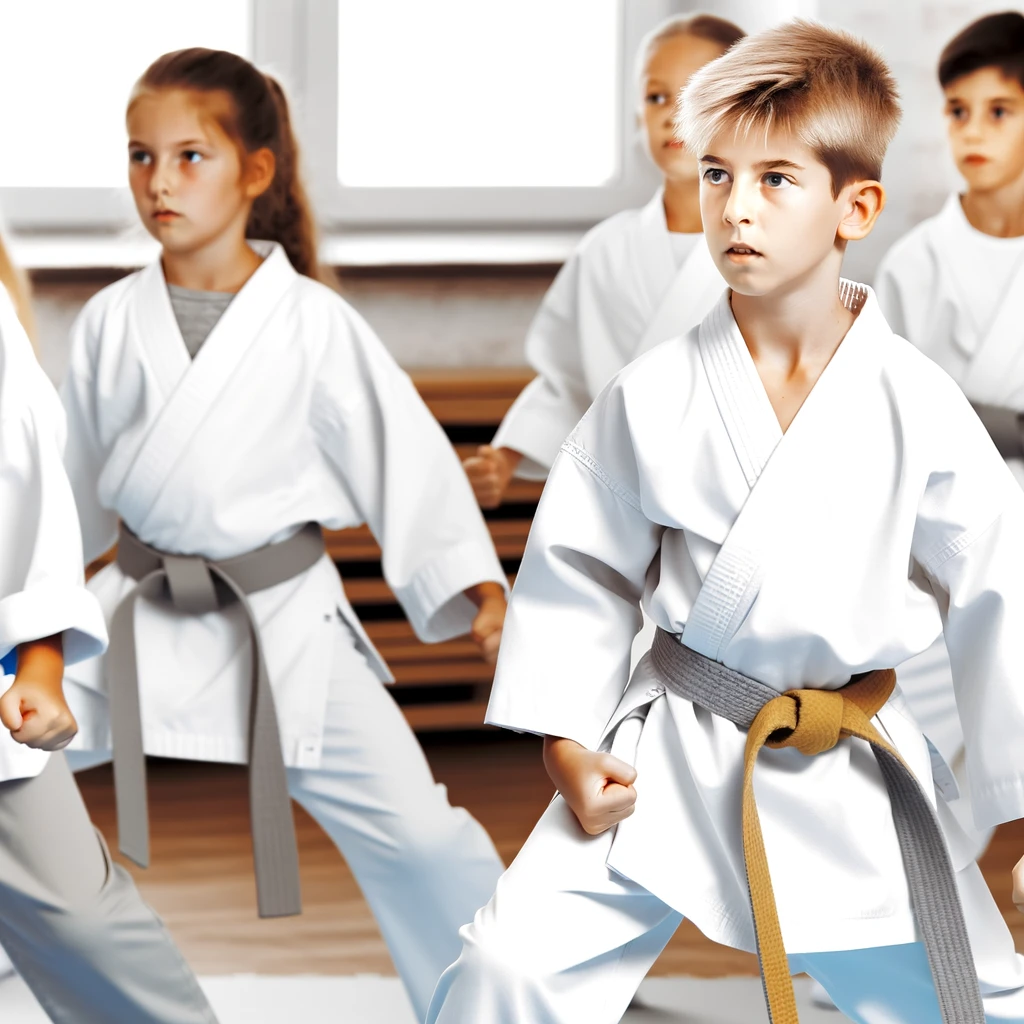
What To Know Before Joining Karate For Kids Near Me?
1. Benefits of Karate for Kids
Physical Fitness
Karate is a fantastic way for children to stay active and healthy. The rigorous training involved in karate helps to improve strength, flexibility, and cardiovascular health.
Regular practice includes a variety of movements that work on different muscle groups, ensuring a well-rounded workout. Kids who practice karate often develop better coordination and balance, which can be beneficial in other sports and daily activities.
Discipline and Focus
One of the most significant benefits of karate is the development of discipline and focus. Karate classes emphasize respect, self-control, and concentration, teaching children to follow instructions and remain attentive during practice.
These skills can transfer to other areas of life, such as academics and home responsibilities, helping children to become more disciplined and focused individuals.
Self-Defense Skills
Karate teaches children practical self-defense techniques that can be invaluable in real-life situations. Knowing how to protect themselves can give kids a sense of security and confidence.
Moreover, the emphasis on situational awareness and conflict resolution helps children to avoid dangerous situations and handle conflicts calmly and effectively.
Confidence Building
Engaging in karate can significantly boost a child’s self-esteem and confidence. Achieving new skills, progressing through belt ranks, and participating in competitions all contribute to a child’s sense of accomplishment.
This confidence often extends beyond the dojo, helping children to tackle challenges in other areas of their lives with greater assurance.
By incorporating karate into your child’s routine, you’re not only providing them with a way to stay physically active but also equipping them with essential life skills. The benefits of karate are extensive, making it a worthwhile investment in your child’s future.

2. Choosing the Right Karate School
Location and Convenience
When selecting a karate school for your child, location and convenience are crucial factors. A school that is close to your home or your child’s school can make it easier to maintain a regular training schedule.
Consider the travel time and how it fits into your daily routine. Proximity also allows your child to participate more frequently, enhancing their progress and enjoyment.
Qualified Instructors
The quality of instruction is paramount in any martial arts school. Look for schools with certified instructors who have experience working with children.
Qualified instructors can provide safe and effective training, ensuring your child learns the correct techniques. Instructor credentials and teaching philosophy are important indicators of a school’s commitment to quality education.
Class Sizes and Student-to-Teacher Ratio
Class size can significantly impact your child’s learning experience. Smaller class sizes typically allow for more individual attention, ensuring each student receives the guidance they need.
A low student-to-teacher ratio means instructors can focus on each child’s progress, providing personalized feedback and support. This is especially important for beginners who require more attention to master the basics.
School Reputation and Reviews
Before making a decision, research the reputation of the karate schools you’re considering. Online reviews and testimonials from other parents can provide valuable insights into the school’s environment and effectiveness.
Word-of-mouth recommendations are also a reliable source of information. A school with a strong reputation is more likely to offer a positive and supportive atmosphere for your child.
Curriculum and Class Structure
Understanding the school’s curriculum and class structure is essential. A well-organized curriculum should cover a comprehensive range of techniques and skills, from basic movements to advanced forms.
The class structure should be designed to accommodate different skill levels, allowing students to progress at their own pace. Look for schools that offer a balanced approach to training, combining physical exercise with mental and emotional development.
Trial Classes and Observations
Many karate schools offer trial classes or allow parents to observe a session before committing. Taking advantage of these opportunities can give you a firsthand look at the school’s environment, teaching methods, and how instructors interact with students.
Trial classes can also help you gauge whether the school’s culture and approach align with your child’s interests and needs.
Choosing the right karate school involves careful consideration of various factors. By focusing on location, qualified instructors, class sizes, reputation, curriculum, and trial classes, you can ensure that your child receives the best possible martial arts education.
3. Different Styles of Karate for Kids
Shotokan Karate
Shotokan Karate is one of the most popular styles practiced worldwide and is known for its emphasis on deep stances and powerful linear movements. This style is suitable for kids as it teaches them precision and strengthens their lower bodies, improving stability.
The katas (forms) in Shotokan are characterized by their dynamic movements and are an excellent way for children to develop discipline and physical fitness.
Goju-Ryu Karate
Goju-Ryu Karate, meaning “hard-soft style,” combines hard striking attacks with softer, open-hand techniques. This style focuses on close-range combat and includes breathing exercises, which are beneficial for teaching kids how to manage stress and remain calm under pressure.
Goju-Ryu’s balanced approach to soft and hard techniques makes it a comprehensive martial arts training for young practitioners.
Shito-Ryu Karate
Shito-Ryu Karate is known for its diverse range of techniques and the emphasis on speed rather than force.
This style incorporates a higher number of katas than most other karate styles, making it ideal for children who enjoy learning complex movements and developing their memory and concentration skills.
Shito-Ryu offers a balanced curriculum that enhances both the physical and cognitive development of young karatekas.
Wado-Ryu Karate
Wado-Ryu Karate, translating to “way of peace and harmony,” focuses on using body movements and evasion techniques. This style teaches kids the importance of agility and efficient movement, rather than relying solely on physical strength.
Wado-Ryu’s philosophy encourages peaceful resolutions to conflicts, aligning with teachings on respect and discipline, key components of martial arts training for children.
By understanding the different styles of karate available, parents and children can make a more informed decision about which style might be the best fit based on the child’s personality and physical capabilities.
Each style offers unique benefits and focuses, providing a range of options for children to learn valuable life skills through karate.

4. What to Expect in a Kids’ Karate Class
Warm-Up Exercises
Every karate class begins with a warm-up to prepare the body for physical activity and prevent injuries. These exercises typically include stretching, jumping jacks, running in place, and other activities that increase heart rate and muscle flexibility.
This is crucial not only for safety but also for improving overall physical fitness and readiness for the more intense parts of the class.
Basic Techniques and Forms (Kata)
Karate classes for kids focus heavily on teaching basic techniques such as punches, kicks, and blocks. These fundamentals form the building blocks of karate.
Additionally, students learn katas, which are pre-arranged sequences of movements that simulate combat scenarios. Katas help students understand the flow and application of techniques and are essential for advancing through the belt ranks.
Sparring (Kumite)
As students progress, they begin to engage in sparring, or kumite, which involves practicing karate techniques with a partner in a controlled environment.
This allows students to apply what they’ve learned in real-time and gain practical experience. Safety is paramount, so sparring is always supervised, and protective gear is used to ensure the well-being of all participants.
Cool-Down and Stretching
At the end of each class, a cool-down period helps students relax and slowly bring their heart rates down. This usually involves light stretching and breathing exercises, which are important for recovery and flexibility.
Cool-down sessions also provide a moment to reflect on the day’s lessons and reinforce the discipline and respect inherent in karate training.
Progress Tracking and Feedback
Instructors typically provide feedback during and after classes, offering insights into students’ progress and areas for improvement. This ongoing evaluation helps children understand their development in the sport and sets clear goals for their future sessions.
Karate classes for kids are structured to provide a balanced mix of physical activity, technical learning, and personal development.
Parents can expect their children to not only learn self-defense but also gain valuable life skills such as discipline, respect, and perseverance, all within a safe and nurturing environment.

5. Age Groups and Skill Levels
Preschool Karate Classes (Ages 3-5)
For the youngest karate students, classes focus on basic skills and fun activities that promote movement and coordination.
Preschool karate is designed to introduce children to the martial arts in a playful and engaging way, emphasizing games and simple techniques that improve balance and agility. These classes help build a foundation for discipline and listening skills at an early age.
Beginner Classes (Ages 6-8)
Beginner classes for slightly older children introduce more structured karate techniques while still maintaining an element of fun. Kids learn foundational stances, punches, and kicks, as well as the importance of respect and teamwork.
These classes often include more detailed instructions and begin to incorporate elements of self-discipline and concentration that are crucial for martial arts training.
Intermediate Classes (Ages 9-12)
As children grow, intermediate classes offer more complex techniques and begin to delve deeper into the strategic aspects of karate. Students at this stage are typically more involved in sparring sessions and are taught to refine their skills and techniques.
The focus is also on building stamina and understanding the philosophical aspects of karate, which are important for personal growth and development.
Advanced Classes (Ages 13+)
Advanced karate classes cater to older children who have mastered the basics and are ready to take their skills to the next level. These classes involve advanced techniques, including high-level kata and competitive sparring.
Students learn about leadership, teaching methods, and are often given responsibilities to assist in teaching younger students, fostering a sense of responsibility and community.
Each age group in karate classes is tailored to meet the developmental needs and abilities of children at different stages of growth.
This structured approach allows for continuous progression and ensures that students are always learning and developing in a manner that is appropriate for their age and skill level.
6. Safety Measures in Karate Training
Proper Equipment and Gear
Ensuring that all students wear the correct safety equipment is crucial in any karate class. This includes gear like mouthguards, headgear, and padding for sparring sessions.
Proper uniforms (karategi) are also important as they are designed to withstand the rigors of training and prevent injuries caused by inappropriate clothing.
Supervision and Instruction
Adequate supervision by experienced instructors is essential to maintain a safe training environment. Instructors are not only responsible for teaching proper techniques but also for making sure that all activities are conducted safely.
This includes monitoring sparring sessions closely to ensure that students are applying techniques correctly and not endangering themselves or others.
Injury Prevention Techniques
Karate instructors should also teach students injury prevention techniques. This includes how to fall correctly, how to execute moves without causing harm, and the importance of warming up and cooling down.
Emphasizing flexibility and proper posture can reduce the risk of strains and other injuries during training.
Age-Appropriate Drills
Ensuring that training drills and sparring are age-appropriate is another important safety measure. Younger children, for example, should not be exposed to the same physical challenges and contact levels as teenagers or adults.
Tailoring the difficulty and intensity of the exercises to the age and skill level of the students helps prevent injuries and ensures that the training is beneficial for all participants.
Regular Health Checks
Before participating in any rigorous karate training, it’s advisable for students to undergo a health check. This can identify any potential health issues that could be exacerbated by intense physical activity.
Regular check-ups can help ensure that students are physically fit for karate and that any adjustments needed for individual health conditions are made.
Karate training offers numerous benefits, but it is imperative that safety is always prioritized. By adhering to these guidelines, karate schools can provide a secure and productive environment for children to learn and grow.
7. Karate Competitions and Events
Local Tournaments
Local tournaments provide an excellent opportunity for young karate students to test their skills against peers from the same or different schools.
These events are typically designed to be supportive and encouraging, focusing on personal growth and sportsmanship over just winning. Participating in tournaments can be a significant confidence booster and can help reinforce the discipline and focus learned in class.
National Championships
For those who excel at the local level, national championships represent the next level of competition. These events are more competitive and showcase a higher standard of karate skills.
Competing at the national level can provide young athletes with exposure to diverse styles and techniques from across the country, as well as the chance to earn recognition and awards that can be beneficial for their martial arts career.
International Competitions
International competitions are the pinnacle for many young karate practitioners. Participating in such events offers a unique experience to compete on a global stage, meet participants from different cultures, and gain invaluable life experiences.
The exposure to international standard